
Air Duct Cleaning and Indoor Health
Learn how professional air duct cleaning supports healthier homes by reducing dust, allergens, and odors while improving efficiency.
 Becky DerendalArizona Chimney & Air Ducts · · Updated · 10 min read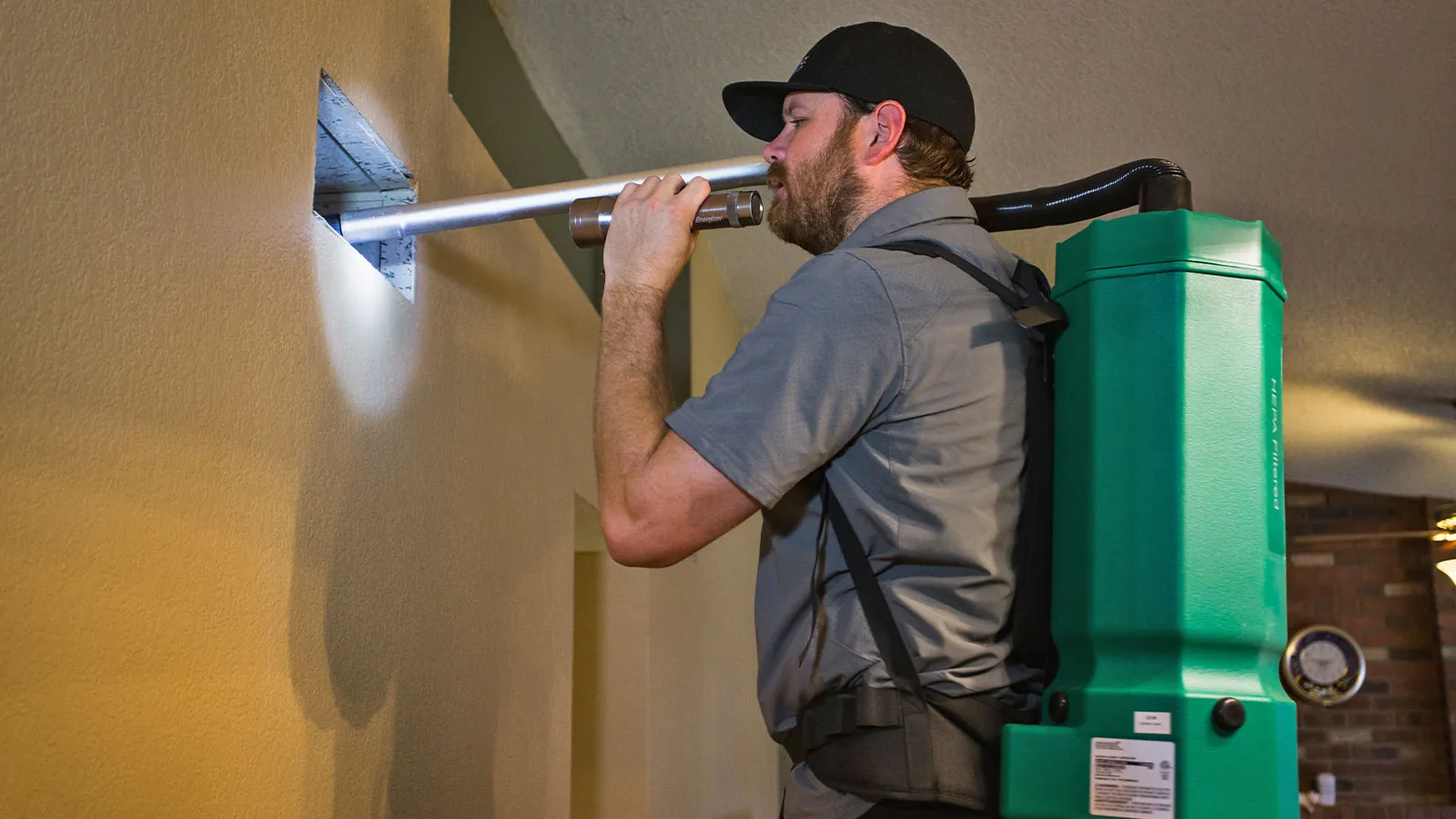
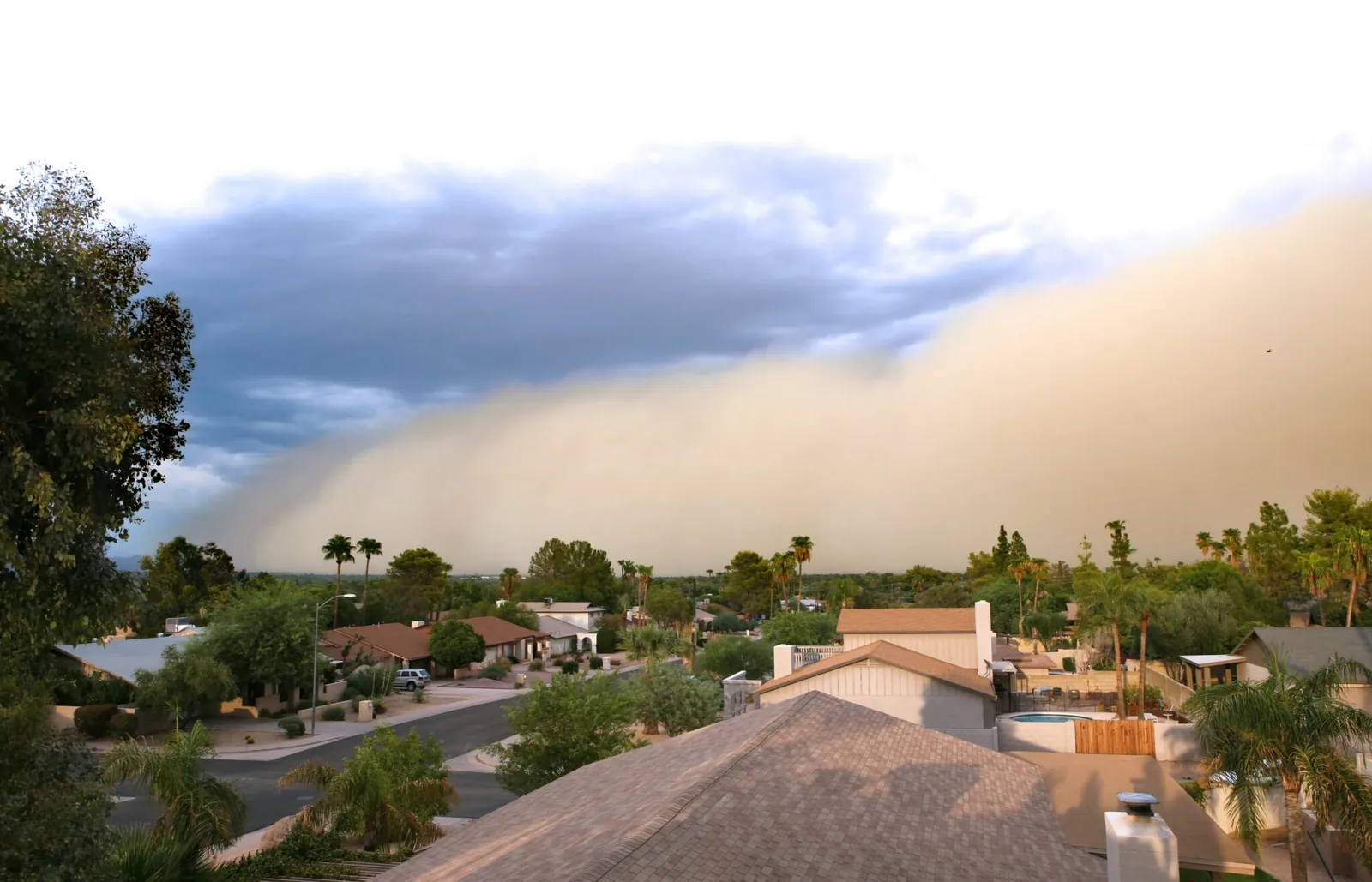
If you live in the Valley, you already know dust is a way of life. Between seasonal winds, haboobs, high pollen periods, and the constant open-door shuffle of busy households, airborne particles have no trouble finding their way inside. Once they do, your HVAC system becomes the circulatory system that moves them from room to room. Over time, that dust, dander, and debris settle inside supply trunks, branch lines, and air registers. Every time the system cycles on, a portion of those particles can be re-entrained and redistributed throughout your home. That’s why a clean air distribution pathway matters just as much as clean filters. At Arizona Chimney & Air Ducts, we’ve spent decades helping homeowners restore healthier airflow by removing the buildup they can’t see—without tearing into walls or disrupting daily life. This article explains what accumulates in ductwork, how it affects comfort and health, what a professional cleaning actually involves, and when it’s time to schedule service. We’ll also cover practical maintenance habits that keep ducts cleaner for longer and share answers to common questions about equipment, cost, and timing. Whether you’re managing allergies, dealing with persistent dust, or planning renovations, understanding air duct care can help you protect your home’s lungs and improve indoor air quality in a climate that constantly challenges it.
What Builds Up in Ducts—and Why It Matters
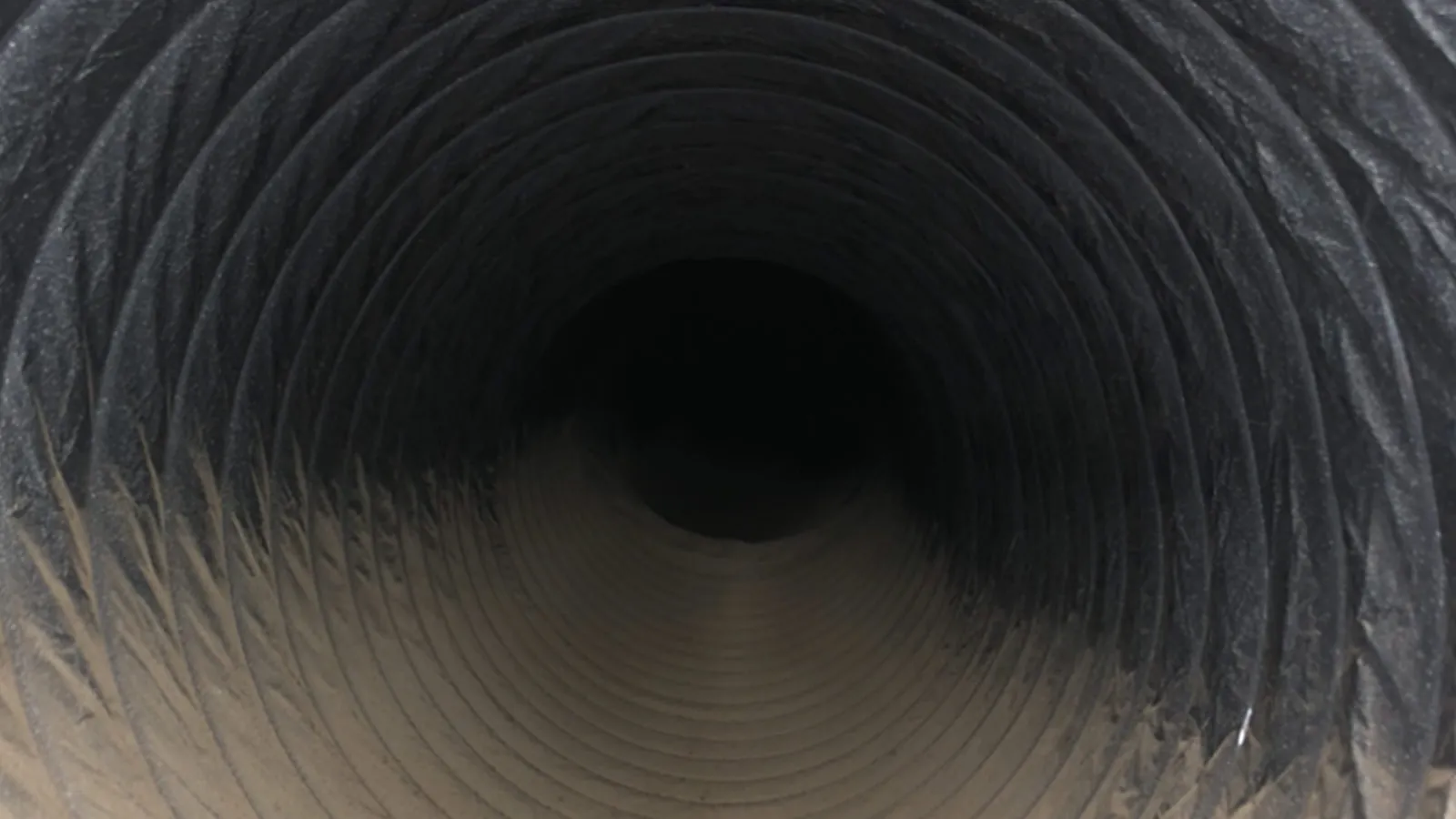
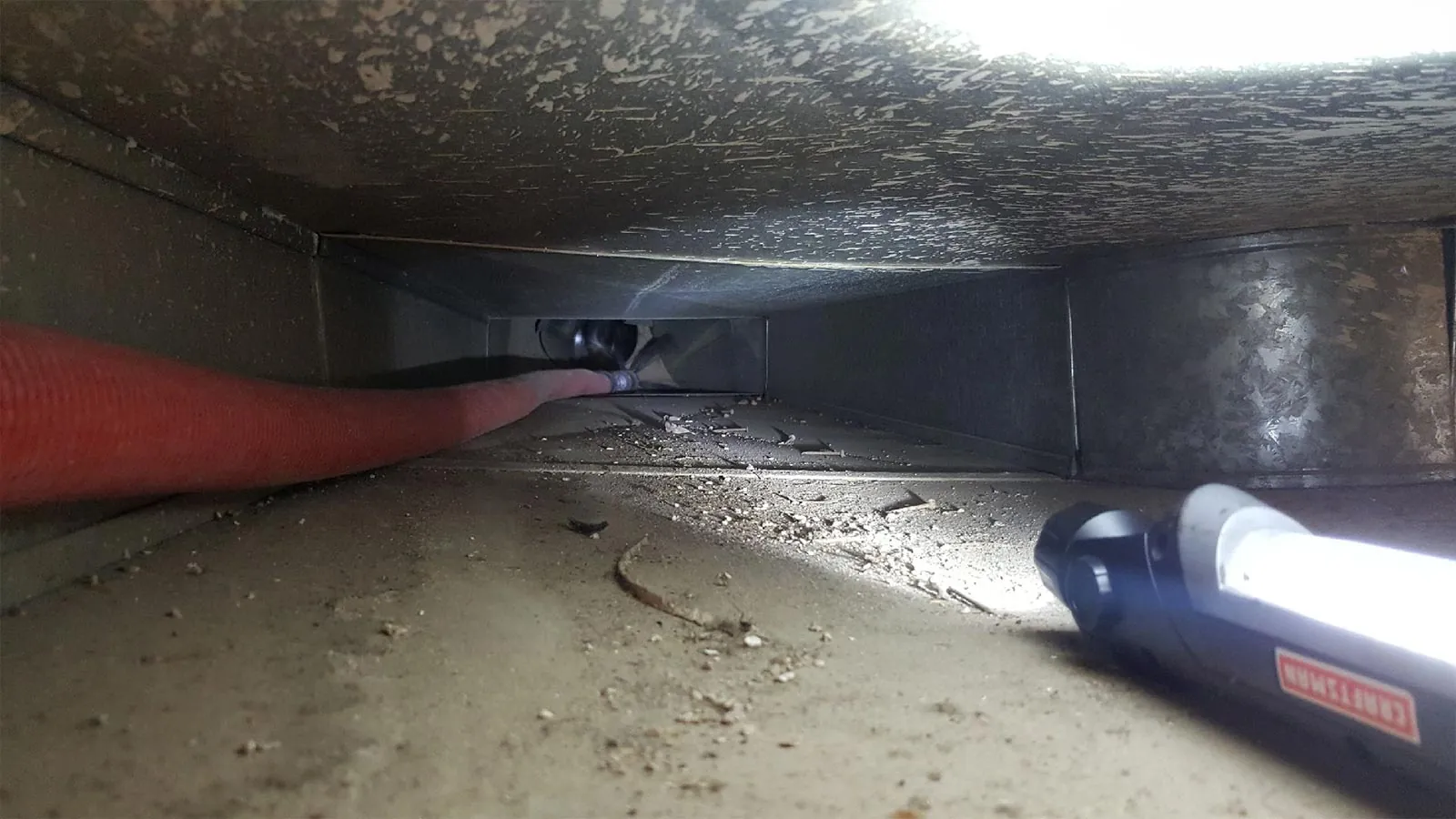
Ductwork is mostly out of sight, which makes it easy to forget—until you notice dusty countertops a day after cleaning, a musty odor when the AC kicks on, or an uptick in sneeze-filled mornings. Inside typical Arizona homes, we routinely find a predictable mix of fine desert dust, pet hair and dander, lint fibers, construction debris from past projects, and occasionally food particles that were vacuumed up at a return grille. During monsoon season, higher humidity can make duct interiors slightly tacky, encouraging particles to adhere and accumulate. Add in the micro-fragments shed by deteriorating fiberglass liner in older ducts, and you have a recipe for a dirty distribution system. While ducts are not a primary source of biological growth by themselves, any moisture intrusion from a clogged condensate line, a roof leak, or an improperly sealed supply boot can create localized damp spots. Those areas trap dust, and dust becomes fuel for microbes. Even when moisture isn’t present, heavy particle loading narrows effective airflow pathways, contributing to pressure drop and uneven temperatures room-to-room. Your blower motor works harder to overcome resistance, which nudges energy bills upward and increases wear. If you’ve recently completed drywall sanding, installed new carpet, adopted a pet, or moved into a previously occupied home, chances are good your ducts are carrying a legacy of those changes. A thorough, source-removal cleaning reduces that legacy, restores designed airflow, and helps the rest of your system—filters, coils, and blower—do their jobs more effectively.
Signs You May Need Air Duct Cleaning
- Dust that won’t quit: You wipe surfaces and see a fine layer reappear within a day or two. That can indicate high particle recirculation driven by loaded duct interiors and returns.
- Visible debris at registers: Look at supply vents with a flashlight. If you see gray fuzz, clinging lint, or dust streaking on the grille and surrounding ceiling, buildup is likely beyond the grille.
- Musty or stale odors on startup: A brief “old attic” or “closed room” smell when the blower starts can signal dust deposits warming and releasing odors as air passes over them.
- Recent renovation or repairs: Drywall sanding, attic/crawl work, flooring demolition, and cabinet installs shed ultra-fine particles that readily settle inside returns and trunk lines.
- Allergy or respiratory flare-ups: If symptoms improve when you’re away from home for a few days and worsen after returning, your system may be recirculating accumulated irritants.
- Uneven rooms or weak airflow: While many factors can cause pressure imbalance, heavy dust mats at branch take-offs can contribute to poor delivery at certain registers.
- Filter changes that shock you: If filters load up far earlier than they should—or collapse from stress—there may be excessive upstream dust being pulled through returns and leaks.
- New-to-you home: You don’t know the prior owner’s cleaning habits, pet situation, or project history; a baseline cleaning resets your system to a known, clean starting point.
- Pest evidence: Infrequently, we find droppings or nesting materials near returns in attics. A cleaning, paired with sealing, addresses the mess and blocks re-entry points.
- Older or damaged duct liner: Aging fiberglass liner can shed; cleaning plus repair or replacement restores smoother interiors and better airflow.
What Professional Duct Cleaning Involves (Our NADCA-Style Process)
Not all “duct cleaning” is created equal. Our approach focuses on source-removal using negative pressure and mechanical agitation. First, we perform a visual assessment of accessible components: supply and return trunks, branch lines, plenums, the blower cabinet, and the evaporator coil housing. We document conditions with photos so you can see what we see. Next, we install a high-capacity vacuum collection unit at the trunk line or plenum and place the system under continuous negative pressure. With airflow moving toward the vacuum, we work each branch run using rotary brush assemblies and compressed-air whips sized for the duct diameter. This agitation dislodges adhered dust mats and debris, which the vacuum captures in HEPA-filtered containment. We remove and hand-clean registers, address the return side thoroughly (where most loading begins), and, when appropriate, clean the blower compartment and accessible coil surfaces without introducing moisture. If we discover damaged, unsealed, or disconnected sections, we’ll show you the issue and propose sealing or repair options. Where duct sealing is recommended, we use code-compliant mastics or approved aerosol sealing methods depending on access and design. At the end, we reassemble, verify airflow, and provide after photos so you can compare results. For many homes, this process takes several hours and results in both cleaner air paths and a system that can operate closer to its design specifications. Our goal isn’t just “making dust disappear”; it’s restoring clean, efficient air delivery that supports comfort and health.
How Clean Ducts Support Health and Comfort
Clean ducts don’t replace filtration or medical care, but they do reduce one important reservoir of particulate matter in your home. Less dust in ducts means fewer particles become airborne each time your blower cycles, which is especially helpful for households managing asthma, allergies, or sensitivities to pet dander. Removing deposits also helps mitigate odors that cling to lint and dust mats, so your home smells fresher after startup instead of stale. From a comfort standpoint, restored airflow helps rooms reach setpoint more consistently, reducing hot-and-cold complaints and the instinct to keep fiddling with the thermostat. A secondary benefit is equipment protection: particles that bypass leaky returns can soil the blower wheel and evaporator coil, degrading heat transfer and pushing energy use higher. Cleaning upstream ductwork reduces that “sandblasting” effect so the rest of your system stays cleaner, longer. Combine a proper cleaning with sealing obvious leakage points and you’ll often notice quieter operation, less whistling at registers, and a filter that lasts closer to its intended service interval. In a dusty, high-heat market like Arizona—where AC systems run hard for long seasons—these gains add up in lower stress on motors and fewer nuisance service calls. Ultimately, duct cleaning is about removing the accumulated fuel that feeds recirculating particles, making it easier for filtration and fresh air strategies to support healthier living spaces and better indoor air quality.
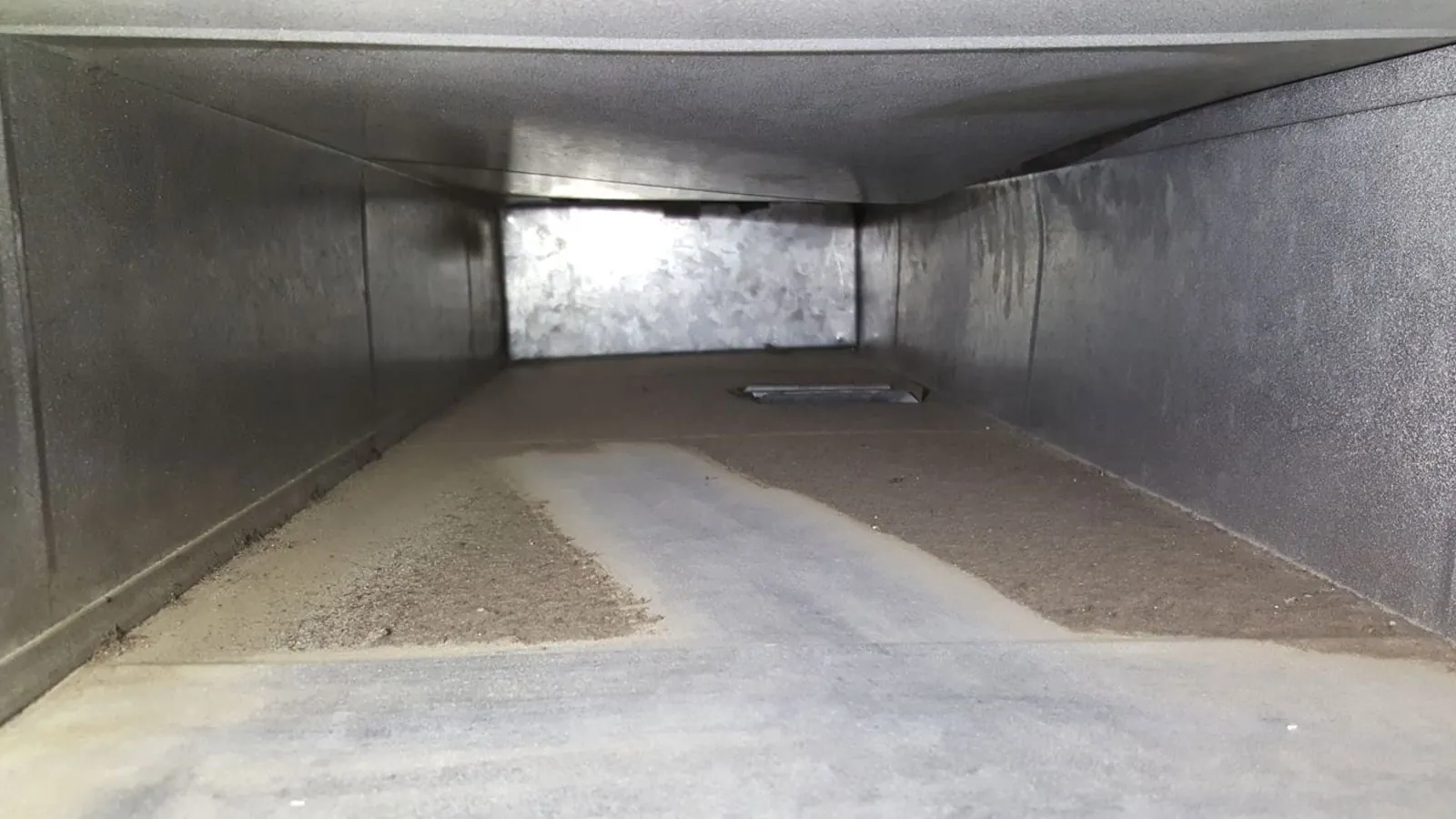
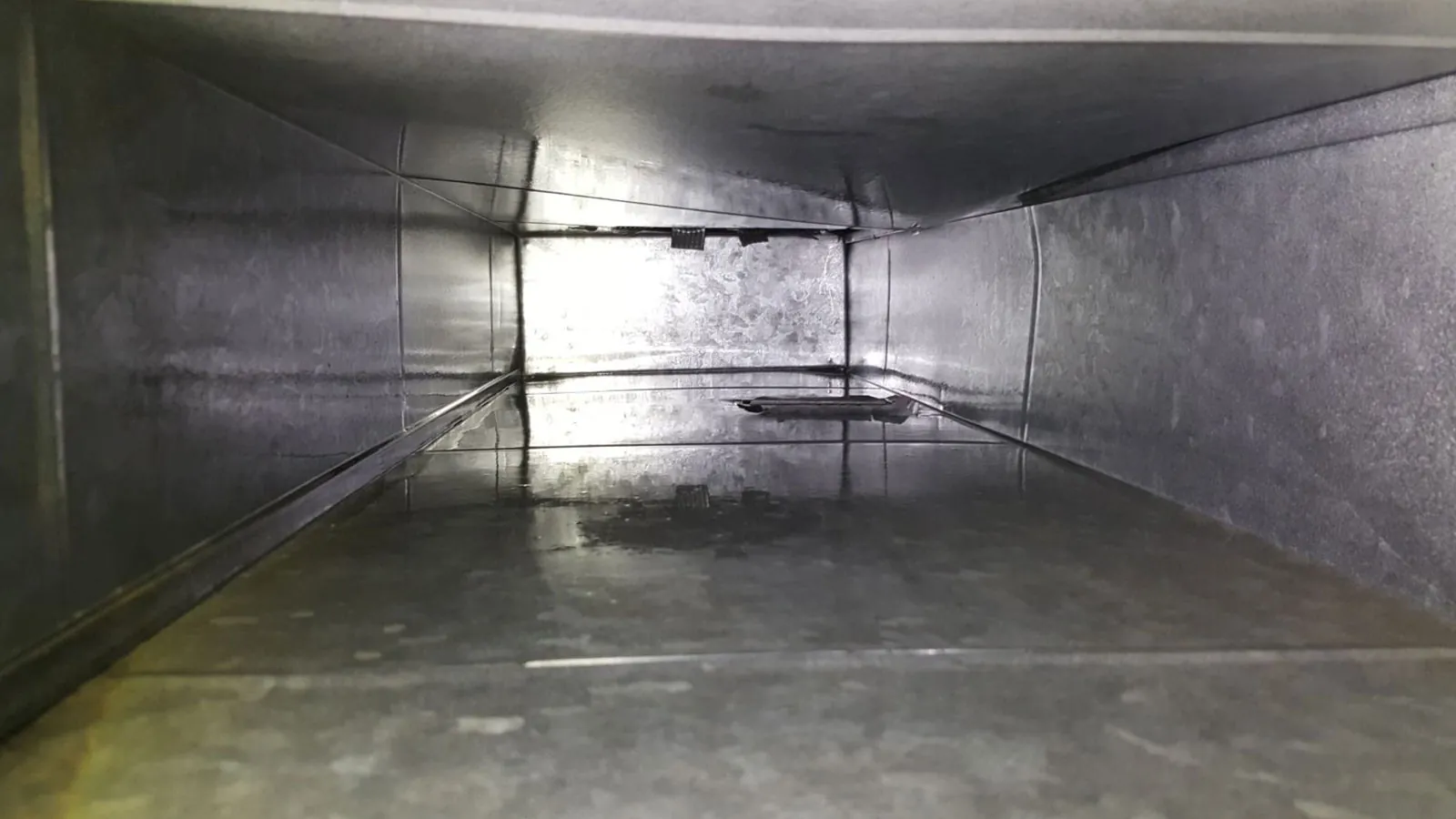 BeforeAfter
 Maintenance Habits That Keep Ducts Cleaner Longer
A one-time cleaning is a great reset, but the biggest wins come from simple habits that prevent rapid re-loading. Start by upgrading your filters to a quality pleated model matched to your system’s blower capacity; a MERV rating too high for your equipment can throttle airflow, so aim for performance without excessive resistance. Replace on time, not “when you remember”—set a phone reminder keyed to your run-time patterns (monthly in peak summer, every two to three months in shoulder seasons). Next, stop bypass dust at the source by inspecting return grilles and doors; gaps around filter racks and return cabinets pull attic or wall dust into the airstream, so seal those with approved materials. Keep supply registers open and unobstructed so particles don’t settle in dead zones. When you’re doing home projects, isolate work areas with plastic, use a shop vacuum with a HEPA filter, and keep the HVAC system off until dust settles. Address humidity by confirming your condensate line drains freely and your coil pan is clean; moisture plus dust becomes a sticky matrix that traps more debris. Groom and bathe pets regularly, and consider a return grille pre-filter in rooms where shedding is heaviest. Finally, schedule a periodic professional inspection—especially after renovations or if you notice airflow changes—so small seal failures or insulation damage don’t quietly reload your ductwork. These habits protect your investment in cleaning, keep your system efficient, and help your home feel noticeably fresher day to day.
How often should Arizona homeowners clean their ducts?
For most households without unusual conditions, every 3–5 years is a good baseline. If you’ve completed a dusty renovation, adopted new pets, or noticed persistent dust and odors, consider sooner. Large families or heavy HVAC run-time may shorten the interval.
Will duct cleaning spread dust through my house?
Done correctly, no. We place your system under strong negative pressure so loosened debris moves toward our HEPA-filtered collection unit, not into living spaces. Registers are covered during agitation to contain localized particles.
Is sanitizing or fogging necessary?
Not in most cases. Source-removal is the priority. When moisture events or microbial issues are documented, we can discuss EPA-registered products and only apply them according to label and industry guidance after cleaning, never as a substitute for it.
What about duct sealing—does it really help?
Yes. Sealing returns and obvious leaks reduces the pull of dusty attic, wall, or garage air into your system. That keeps ducts cleaner longer, protects coils and blowers, and supports even temperatures and efficiency.
Will cleaning improve my energy bill?
It can. Restored airflow and cleaner system components reduce resistance and heat-transfer penalties. While savings vary by home, many customers report steadier temperatures and modest reductions in run time.
How long does a typical cleaning take?
Most single-system homes take several hours, depending on duct length, number of supply registers, accessibility, and whether repairs or sealing are performed during the visit.
Do you cut holes in my ducts?
We sometimes install temporary access openings at the trunk or plenum to achieve proper cleaning and then professionally seal them. We also use existing service ports whenever available.
Can I stay home during the service?
Absolutely. We work neatly, protect floors and registers, and coordinate with you to minimize disruption. Pets can remain home if they’re secured away from open access points and equipment.
Why Choose Arizona Chimney & Air Ducts
When you hire a contractor, you’re trusting them with your home’s breathing system. Our team brings the right combination of training, specialized equipment, and local experience. We follow recognized source-removal practices, document before-and-after conditions, and explain what we’re doing at each step so you’re never guessing. Because we also service chimneys and dryer vents, we understand whole-home airflow pathways and how dust, combustion byproducts, and humidity interact across systems. That perspective helps us spot problems others might miss, like a leaky return in a hot attic or a mis-sized filter rack that’s been bypassing dust for years. We don’t push unneeded add-ons; our focus is on delivering measurable, visible results. If we recommend sealing, repairs, or filter upgrades, it’s because the evidence supports the investment. As a local company, we know exactly how monsoon seasons, desert landscaping, and extended cooling cycles stress desert homes, and we tailor our solutions accordingly. Our customers value clear communication, tidy work, and reliable follow-through. From your first call to the final photo walkthrough, we’re committed to making the process straightforward and effective. Cleaner ducts, smoother airflow, fewer odors, and a system that breathes easier—that’s the standard we aim to deliver on every job, helping you enjoy consistently fresher rooms and healthier indoor air quality.

Conclusion
Air duct cleaning isn’t magic, and it isn’t a cure-all. It’s a practical, evidence-based way to remove a major reservoir of dust and debris so your HVAC system can deliver clean, efficient airflow. In a desert climate where windows are often shut and cooling systems run for months on end, clean ducts reduce the recirculation of nuisance particles and odors, support steadier room temperatures, and help protect coils, blowers, and filters from premature loading. Pair a professional, source-removal cleaning with smart habits—right-sized filters changed on schedule, sealed returns and obvious leaks, good housekeeping during projects—and you’ll extend the benefits for years. If you’ve noticed stubborn dust, startup smells, or inconsistent airflow, it may be time to reset your system. The team at Arizona Chimney & Air Ducts is ready to assess, document, and clean with care, giving you clear before-and-after proof and practical, prioritized recommendations. Your home will feel fresher, your system will work with less strain, and your family can breathe a little easier thanks to cleaner pathways and improved indoor air quality. When you’re ready, schedule a visit and let’s help your home—and everyone in it—breathe better.