
Arizona Monsoons and Cleaning Your HVAC Ducts
Protect your home after an Arizona monsoon. Learn how professional air duct cleaning removes dust and allergens to improve your air quality.
 Becky DerendalArizona Chimney & Air Ducts · · Updated · 10 min read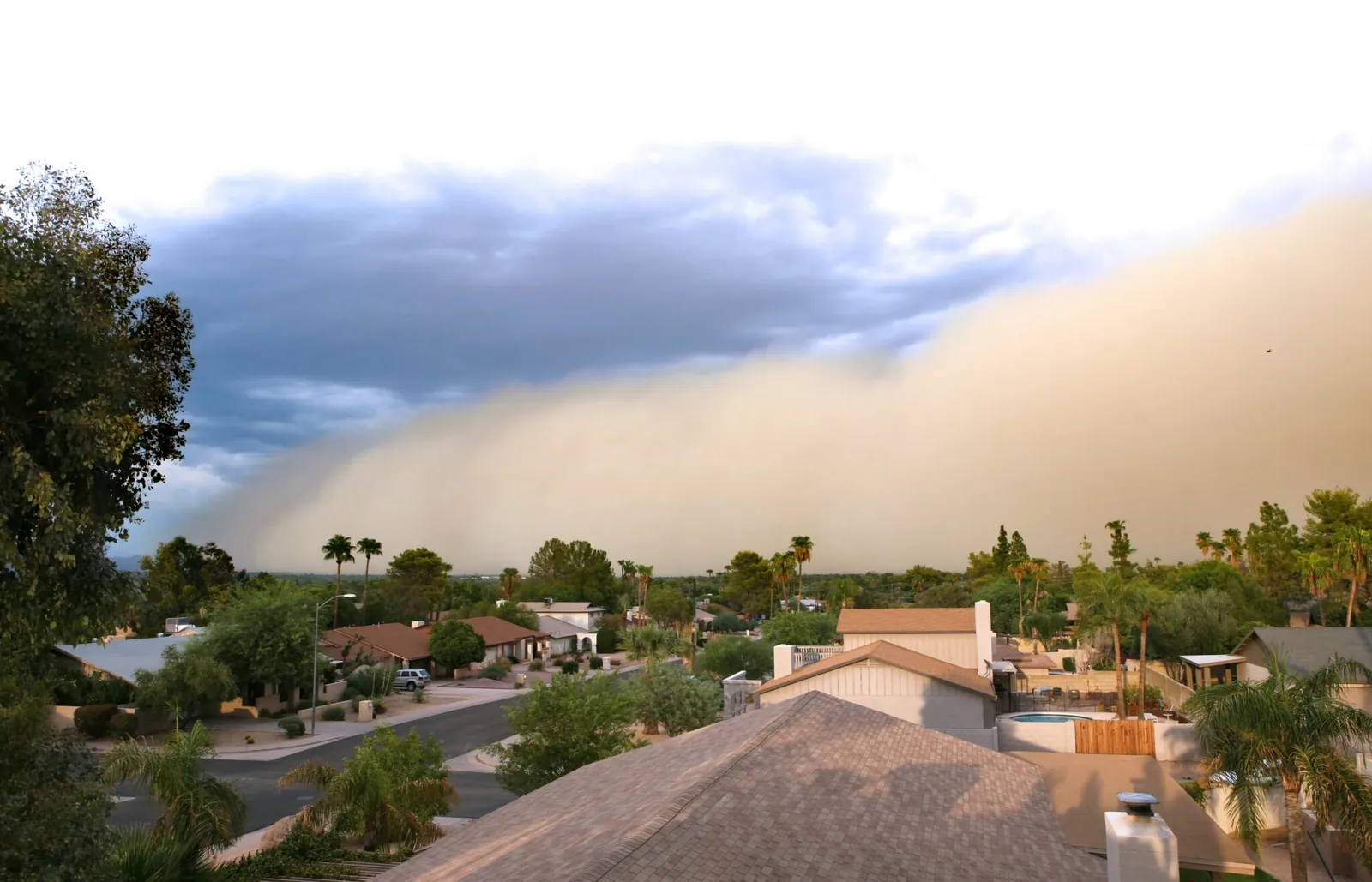
The Arizona monsoon season is a spectacle of nature, characterized by dramatic lightning displays, torrential downpours, and the infamous 'haboobs'—massive walls of dust that can engulf entire cities in minutes. While these storms provide a much-needed reprieve from the sweltering desert heat, they also bring a significant challenge for homeowners: fine atmospheric dust.
This dust is not like the ordinary particles you find on your bookshelf; it is a mixture of organic matter, minerals, and pollutants swept up from the desert floor. When a haboob rolls through, the pressure differentials often force this fine silt through the smallest crevices of your home’s envelope. Once inside, it doesn't just settle on your furniture; it is pulled directly into your HVAC system.
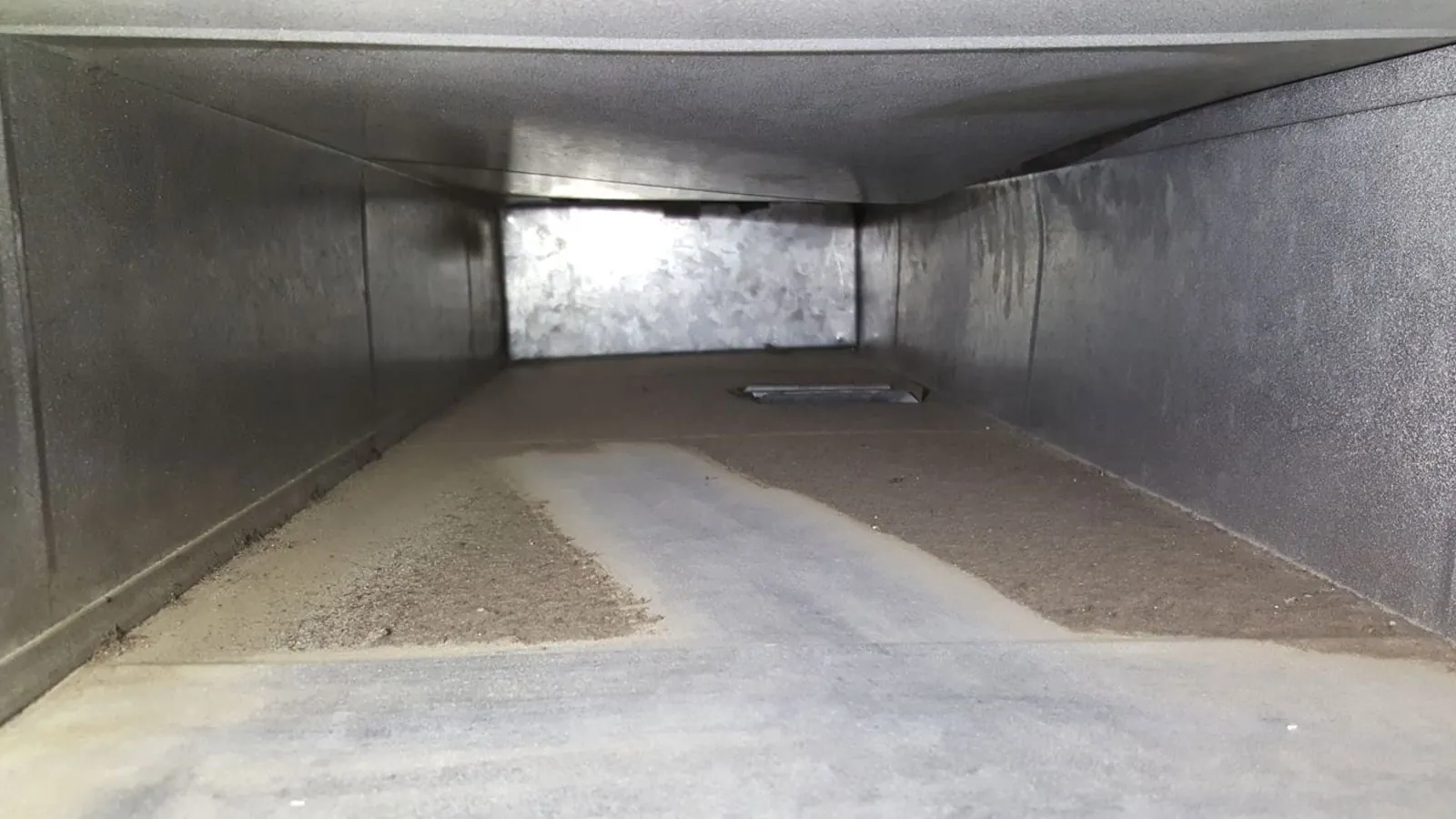
As your air conditioner works overtime to battle the summer humidity, it acts like a giant vacuum, sucking in dust-laden air. While your filters do their best to catch these particles, the sheer volume of a monsoon dust storm often bypasses standard filtration. This leads to a gradual accumulation within your ventilation network.
Over time, this buildup can restrict airflow, decrease the efficiency of your cooling system, and significantly degrade the quality of the air your family breathes. Understanding the relationship between these seasonal storms and your indoor environment is crucial for maintaining a healthy home. At Arizona Chimney & Air Ducts, we see firsthand how quickly a single season of storms can compromise a clean system.
Addressing this issue promptly through professional air duct cleaning is not just about cleanliness; it is about protecting your mechanical investments and your respiratory health. In this comprehensive guide, we will explore why monsoon dust is particularly invasive and how you can reclaim your home's air quality after the storm clouds clear.
Why Monsoon Dust is Different
To understand why post-monsoon cleaning is so critical, one must first understand the unique composition of desert dust. Unlike the lint or pet dander found in other regions, Arizona monsoon dust is composed of extremely fine particulate matter, often referred to as PM10 and PM2.5. These particles are small enough to stay suspended in the air for long periods and can penetrate deep into the lungs.
During a haboob, the wind speeds can exceed 60 miles per hour, creating a pressurized environment that pushes this silt through window seals, door sweeps, and even the tiny gaps around electrical outlets. Once this dust enters the living space, the HVAC return vents draw it into the ductwork. Furthermore, monsoon dust is often 'heavy' with microorganisms.
The desert soil contains various fungal spores, including those responsible for Valley Fever (Coccidioidomycosis). When the wind disturbs the soil, these spores become airborne and find a dark, cool, and sometimes damp environment within your air ducts. If moisture from the monsoon’s high humidity manages to enter the ductwork alongside the dust, it creates a breeding ground for biological growth.
This turns your ventilation system into a distribution network for allergens and pathogens. Traditional dusting and vacuuming of your floors simply won't suffice because the source of the re-contamination is hidden within the walls. Every time your air conditioner kicks on, a fresh layer of fine desert silt is blown back into your living areas. This cycle continues until the source—the accumulation within the ducts—is physically removed.
For many Arizona residents, the sneezing and coughing that follow a storm aren't just a reaction to the outdoor air; they are a reaction to the dust trapped inside their own HVAC systems. Because this dust is so abrasive and fine, it can also cause mechanical wear and tear on your blower motor and evaporator coils, leading to higher utility bills and premature system failure.
Signs Your Ducts are Full of Dust
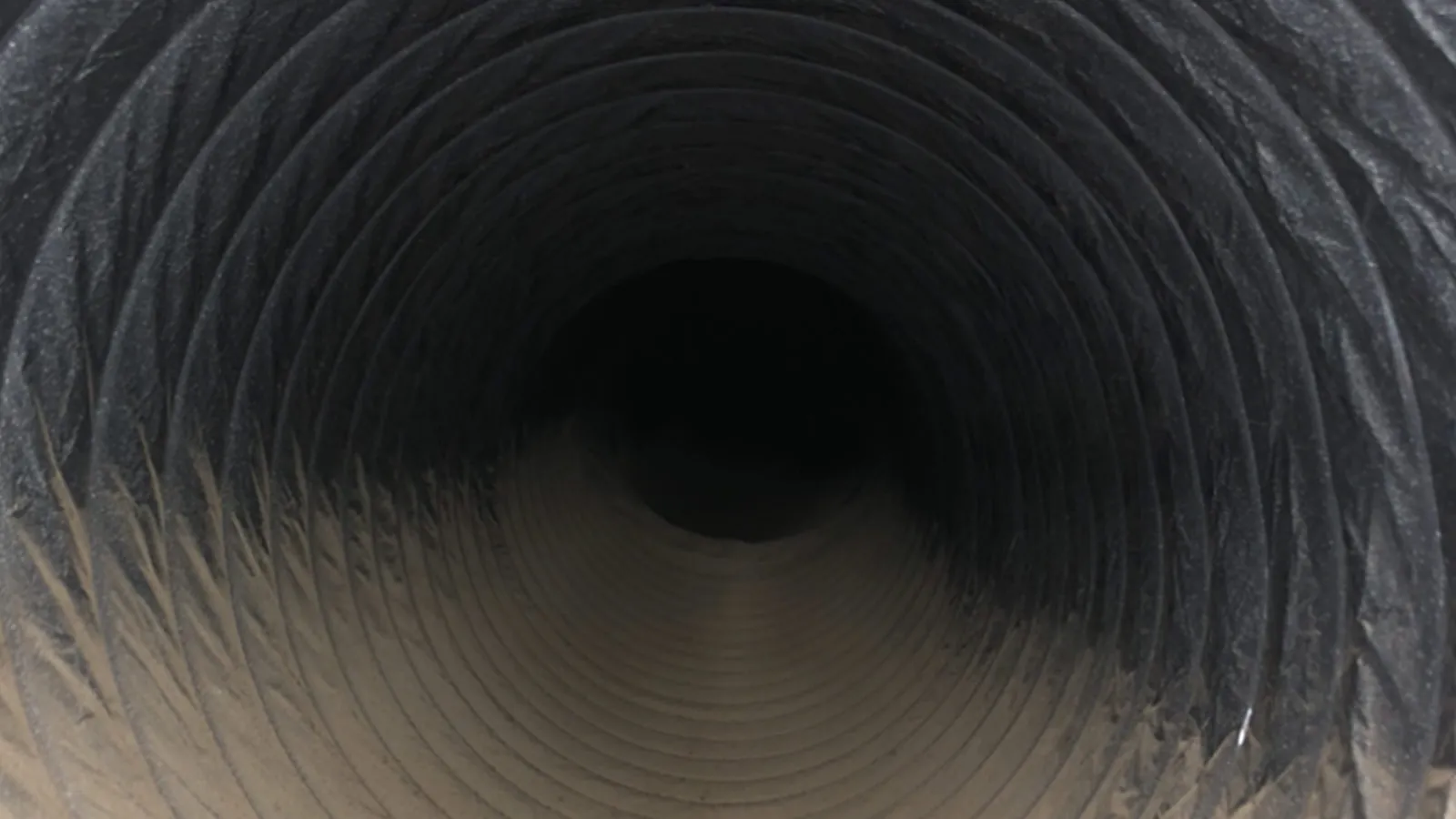
- Visible Dust on Supply Vents: If you notice dark, feathery accumulations or grey 'fuzz' around the edges of your ceiling or wall registers, it is a clear indication that the internal ductwork is saturated with debris.
- Frequent Filter Clogging: During monsoon season, you should check your filters monthly. If you find they are caked in thick, brown silt just a week after replacement, the system is struggling against a high internal dust load.
- Persistent Dusting Needs: If you find a thin layer of fine grit on your coffee table or TV screen only hours after cleaning, the HVAC system is likely circulating trapped monsoon dust back into the room.
- Unexplained Respiratory Irritation: An increase in sneezing, itchy eyes, or asthma flare-ups specifically when the AC is running is a major red flag that the air quality has been compromised by desert particulates.
- Odd Musty Odors: If a 'dirty sock' smell or an earthy, dusty scent permeates the house when the air turns on, it suggests that organic matter from the storms has settled in the ducts and is interacting with humidity.
- Reduced Airflow: Heavily clogged ducts create resistance. If some rooms feel warmer than usual or the air coming from the vents feels weak, a buildup of heavy monsoon silt may be obstructing the path.
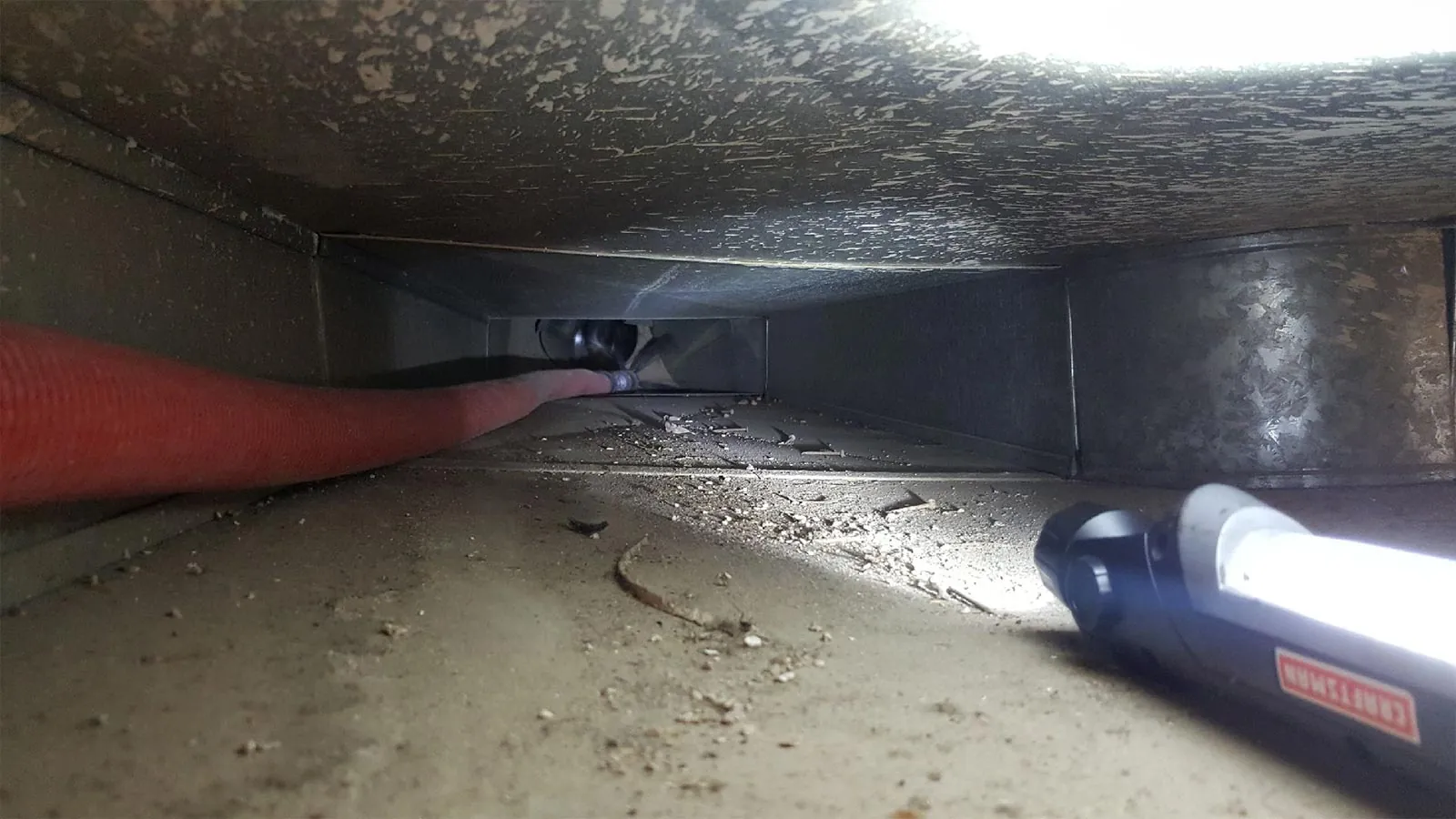
- Debris in the Return Air Box: Opening your return vent and seeing piles of dirt or sand in the bottom of the cabinet is a sure sign that the haboob has successfully deposited a significant amount of the desert inside your home.
- Noise from the Blower: Whistling or humming sounds can occur when dust buildup changes the aerodynamics of the ductwork or puts strain on the motor as it tries to pull air through restricted passages.
The Impact on HVAC Efficiency
Efficiency is perhaps the most overlooked victim of the Arizona monsoon season. Your HVAC system is designed to move a specific volume of air to maintain the temperature set on your thermostat. When monsoon dust enters the system, it doesn't just sit in the ducts; it coats the vital internal components of the air handler. The most sensitive of these is the evaporator coil.
This coil is responsible for removing heat and humidity from the air. Even a paper-thin layer of fine desert dust acting as insulation on the coil can reduce its heat-exchange efficiency by over 20%. This means your system has to run longer and work harder to achieve the same cooling effect, leading to a noticeable spike in your summer electric bills.
Moreover, the friction caused by dust accumulation inside the ductwork itself creates 'static pressure.' This is the resistance the blower motor must overcome to move air through the house. When the ducts are lined with a thick layer of gritty silt, the motor consumes more electricity to push the air. Over time, this constant strain leads to overheating and mechanical failure.
We often find that homeowners who neglect air duct cleaning after heavy storm seasons face expensive repairs like burnt-out capacitors or failed blower motors much sooner than those who maintain a clean system. In the desert heat, a system failure isn't just an inconvenience; it's an emergency.
By ensuring your ducts are clear of the heavy mineral dust brought in by the haboobs, you are essentially 'tuning up' the entire system. It allows the air to flow freely, the coils to breathe, and the mechanical parts to operate within their designed parameters. Investing in a cleaning service is often offset by the savings found in lower monthly energy costs and the avoidance of premature system replacement.
Health and Indoor Air Quality
Indoor air quality (IAQ) is a paramount concern for Arizona families, especially for those with children, the elderly, or individuals with pre-existing conditions like COPD or allergies. The monsoon season introduces a cocktail of irritants into the home that are far more aggressive than standard household dust.
Because we spend upwards of 90% of our time indoors during the peak of summer, the quality of the air being recirculated by our HVAC system becomes our primary environmental exposure. When dust from a haboob settles in your ducts, it becomes a reservoir for allergens. Every time the cycle begins, these particles are agitated and sent into the breathing zone.
The health implications of breathing desert silt can range from minor irritation to serious infection. As mentioned previously, the desert floor is home to various fungi and bacteria. When these are concentrated within a duct system, the exposure levels for residents can be significantly higher than if they were outdoors. Symptoms such as chronic headaches, fatigue, and congestion are often dismissed as 'seasonal allergies,' but they are frequently the result of poor IAQ.
Furthermore, the presence of dust provides a food source for dust mites, which can proliferate rapidly in the presence of the higher humidity levels that characterize the monsoon season. By removing this debris, you are effectively eliminating the foundation of the indoor allergen ecosystem.
A professional cleaning removes the particulates that your vacuum and air purifier simply cannot reach. This results in a cleaner, fresher-smelling home and, most importantly, a safer environment for your family to breathe. Clean air ducts ensure that your home remains a sanctuary from the harsh desert elements, rather than a place where those elements are trapped and concentrated.
Professional vs. DIY
In the age of DIY home maintenance, many homeowners wonder if they can tackle air duct cleaning on their own. While the spirit of self-reliance is admirable, the reality of HVAC systems is far more complex than it appears. The ductwork in your home is a delicate network of metal or flexible tubing that can easily be damaged by improper tools or techniques.
DIY attempts often involve sticking a shop-vac hose into the vents. Not only is the reach of these hoses insufficient, but the lack of proper agitation means that only the loose surface dust near the register is removed, leaving the bulk of the monsoon silt behind. Worse yet, improper handling can tear flexible ducting, leading to air leaks in your attic that skyrocket your cooling costs.
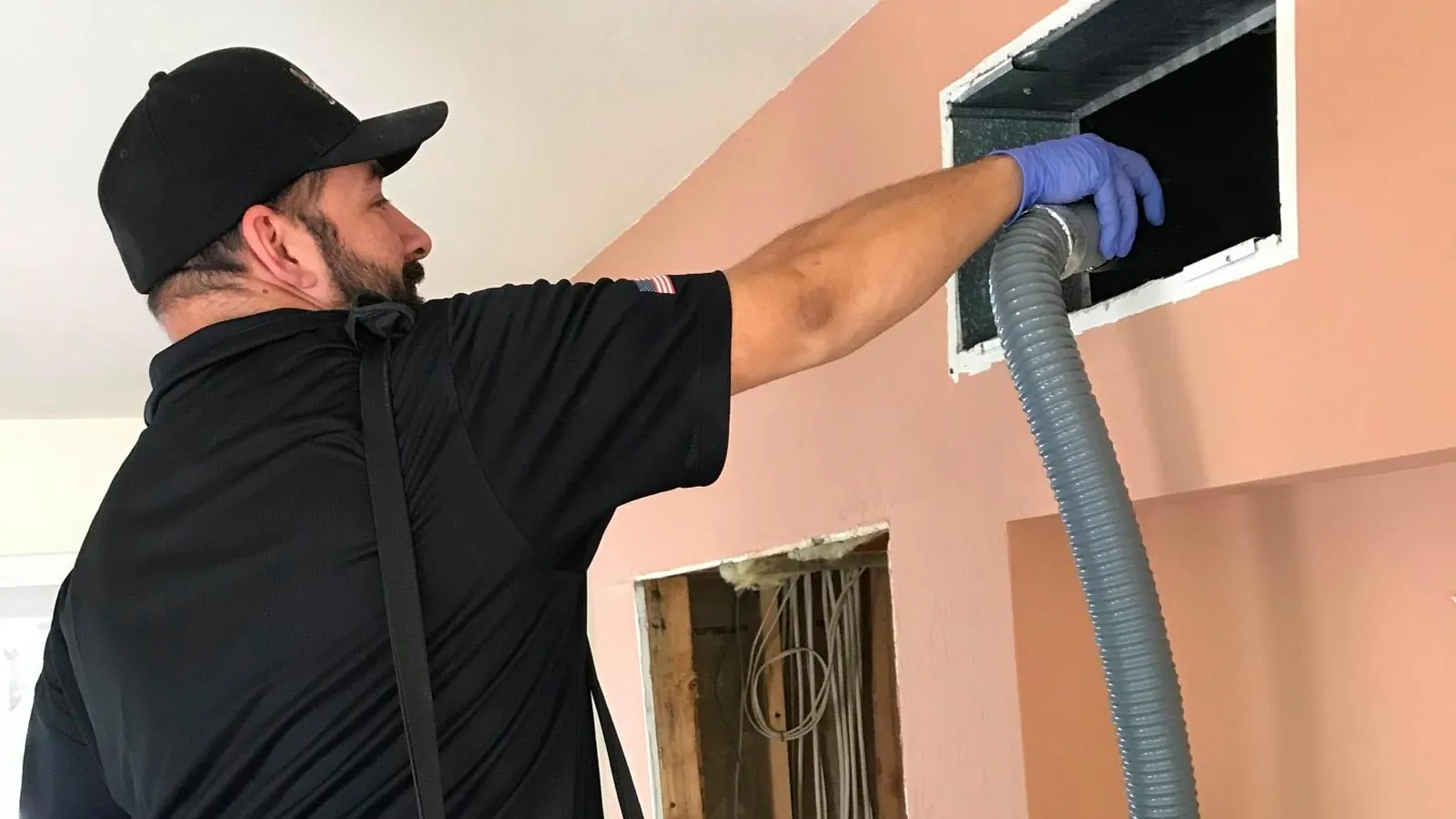
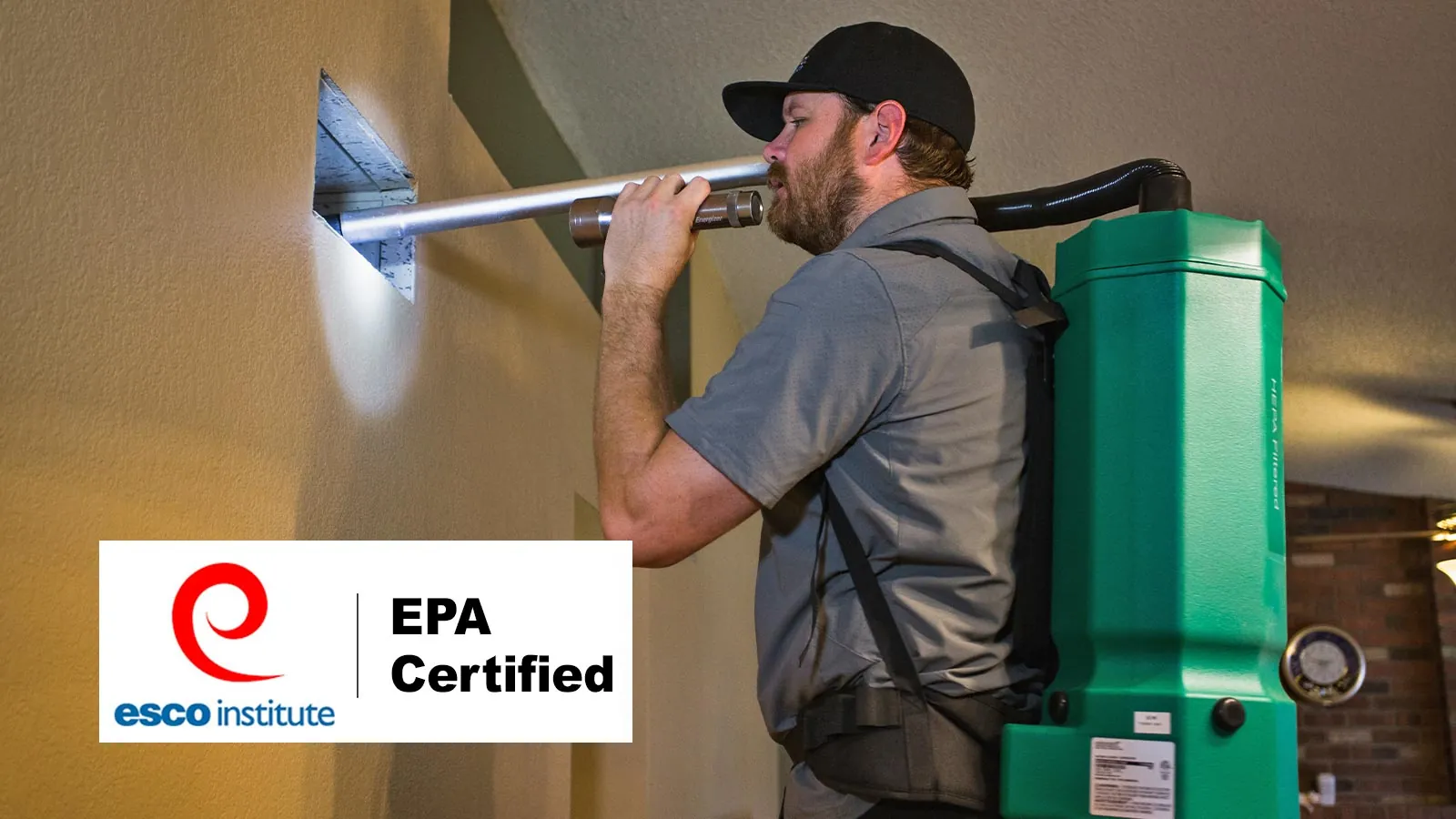
Professional technicians, like those at Arizona Chimney & Air Ducts, use industrial-grade equipment designed specifically for this purpose. This includes high-power negative air machines that create a vacuum throughout the entire system, ensuring that no dust escapes into your living space during the cleaning process.
We also utilize specialized brushes and air 'whips' that can navigate the twists and turns of your ductwork to dislodge the stubborn, fine silt that clings to the walls. Beyond the tools, professionals bring an eye for detail. During a cleaning, we inspect the integrity of your ducts, looking for leaks, disconnected sections, or signs of mold that a homeowner would likely miss. We ensure that every component, from the return box to the supply plenums, is remediated.
When you hire a professional, you aren't just paying for a vacuum service; you are paying for the peace of mind that the job is done safely, effectively, and without risking the structural integrity of your expensive HVAC system. In the harsh environment of Arizona, where your AC is your most critical appliance, the 'DIY' risk simply isn't worth the reward.
Conclusion
The Arizona monsoon season is a defining characteristic of our desert life, bringing both beauty and a unique set of household challenges. As we have explored, the fine dust carried by these storms is not a trivial matter. It is an invasive force that can penetrate your home, settle deep within your HVAC system, and impact everything from your monthly budget to your family's health.
The accumulation of desert silt reduces the efficiency of your cooling system, increases mechanical wear, and serves as a reservoir for allergens and pathogens. Ignoring the signs of a dusty system—such as visible buildup on vents, increased dusting needs, or respiratory irritation—only allows these problems to compound over time.
Maintaining clean air ducts is an essential part of responsible homeownership in the Southwest. By prioritizing air duct cleaning after a heavy storm season, you are taking a proactive step to ensure your home remains the comfortable, healthy environment it was meant to be. You protect your HVAC investment, lower your energy consumption, and provide your family with the clean air they deserve.
At Arizona Chimney & Air Ducts, we are committed to helping our community navigate the aftermath of these storms with professional, thorough, and reliable service. We understand the specific challenges that our desert environment poses and have the expertise to restore your system to its optimal state. Don't let the remnants of the last haboob linger in your home any longer.
As the monsoon clouds dissipate and the heat remains, make sure your cooling system is ready to perform at its best. Reach out to a professional today to schedule an inspection and experience the difference that truly clean air can make in your daily life. Your home is your sanctuary; keep the desert dust on the outside where it belongs.
Frequently asked questions
Q: How often should I clean my ducts in Arizona?
A: While the national average is every 3-5 years, Arizona's unique climate often requires more frequent attention. If we have a particularly active monsoon season with multiple haboobs, a professional inspection every 2 years is recommended to ensure dust levels haven't reached a critical mass.
Q: Can't I just vacuum the vents myself?
A: Household vacuums lack the suction power and the specialized agitation tools required to remove fine silt from the deep recesses of your ductwork. In fact, using a standard vacuum can sometimes push the dust further back or release more of it into the air.
Q: Will air duct cleaning make my house less dusty?
A: Absolutely. By removing the primary source of recirculating dust, you will notice that surfaces stay clean for much longer. It breaks the cycle of cleaning a table only to have it covered in a fine layer of grit an hour later.
Q: Is the dust from a haboob dangerous?
A: It can be. Monsoon dust often contains minerals, pollutants, and fungal spores like those that cause Valley Fever. Professional removal ensures these contaminants are safely extracted from your home environment rather than being blown into your lungs.
Q: Does cleaning the ducts help with smells?
A: Yes. If your ducts contain organic matter trapped in desert silt, they can hold onto odors. Removing the debris often eliminates that 'musty' or 'earthy' smell that occurs when the AC runs.
Q: How long does the process take?
A: For a standard-sized Arizona home, a thorough, professional cleaning usually takes between 3 to 5 hours, depending on the complexity of the system and the level of dust accumulation.