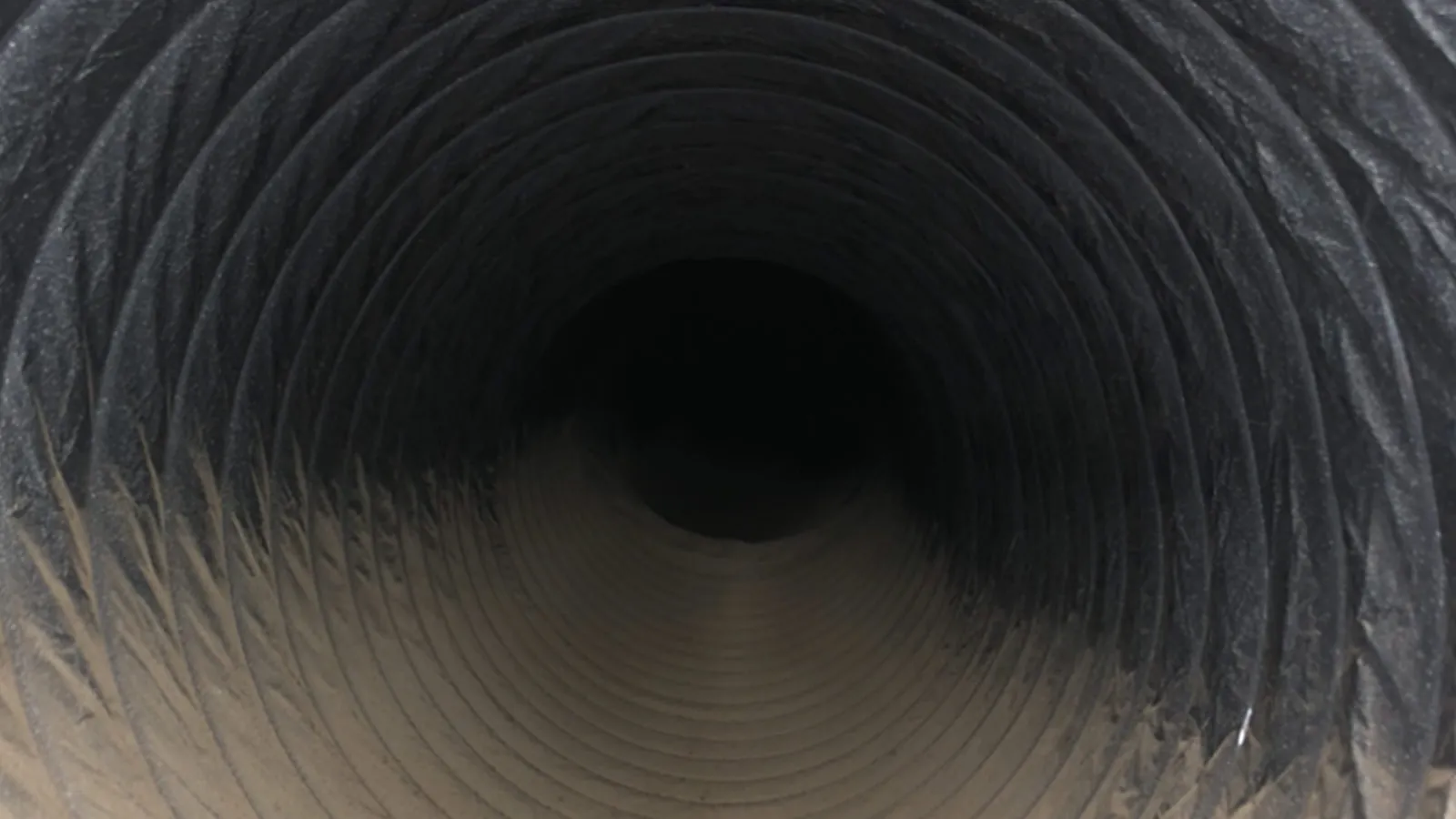

Is Air Duct Cleaning Worth It?
Discover the truth about air duct cleaning. Learn when it's necessary, potential benefits, and common misconceptions. Make informed decisions based on facts.
 Becky DerendalArizona Chimney & Air Ducts · · Updated · 12 min read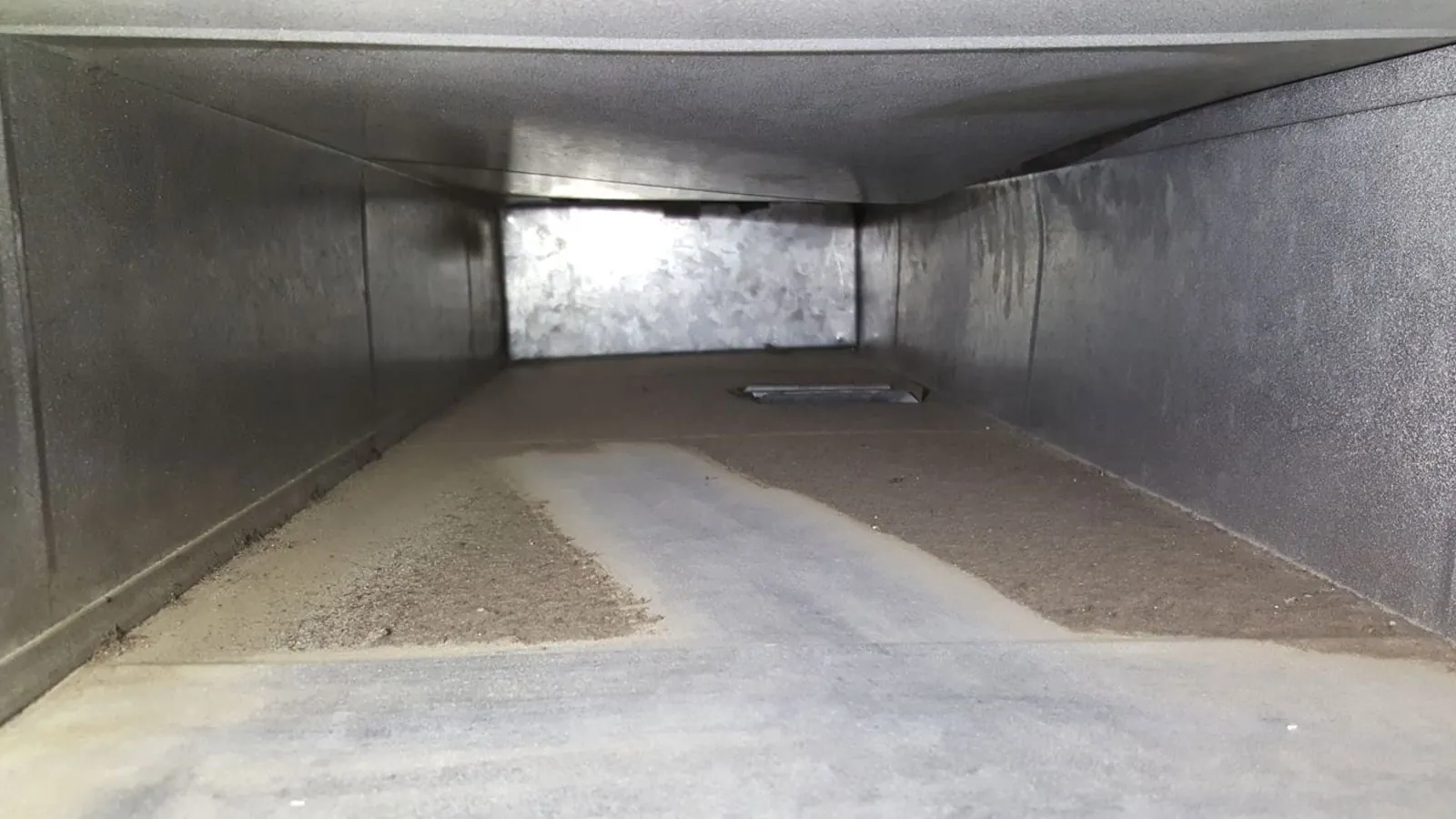
"Is air duct cleaning worth it?" Many homeowners ask this question after getting promotional flyers or hearing mixed reviews from friends and neighbors. The U.S. Environmental Protection Agency (EPA) states that duct cleaning hasn't proven to prevent health issues or substantially improve indoor air quality.
The service might make sense in certain cases. Air duct cleaning costs between $450 and $1,000, and research indicates that cleaning specific components could help your system run better. Note that scientific evidence doesn't support the need for regular duct cleaning.
This detailed piece looks at the real need for air duct cleaning and times you might be wasting money. We'll get into the advantages and disadvantages, talk about its benefits for people with allergies or pets, and guide your decision based on facts rather than sales pitches.
Key Takeaways
Air duct cleaning isn't a routine necessity for most homes, but specific situations make it worthwhile. Here's what homeowners need to know to make an informed decision:
- Only clean when there's visible contamination - The EPA states normal dust poses no health risks; clean only for mold, pests, or excessive debris
- Expect to pay $300-$500 for legitimate service - Beware of ultra-low offers under $100 that typically lead to aggressive upselling tactics
- Professional cleaning takes 3-5 hours minimum - Quick "in-and-out" services rarely provide thorough cleaning of all HVAC components
- Post-renovation cleaning is often necessary - Construction dust and debris warrant professional removal to prevent recirculation throughout your home
- Health improvements aren't guaranteed - Research shows duct cleaning has never been proven to prevent health problems or significantly improve air quality
The key is basing your decision on actual visible problems rather than marketing claims or arbitrary timelines. A simple flashlight inspection of your ducts can help determine if professional cleaning is truly needed for your situation.
What is air duct cleaning and what does it include?
Most homeowners don't really understand what air duct cleaning actually means. The name can be misleading because proper cleaning includes much more than just the ducts. Professional air duct cleaning actually means cleaning your entire HVAC (heating, ventilation, and air conditioning) system and all parts that air flows through.
Key components cleaned during the process
Your HVAC system needs a complete cleaning service, not just the visible ductwork. The National Air Duct Cleaners Association (NADCA) says you should clean these parts:
- Supply and return air ducts and registers
- Grilles and diffusers
- Heat exchangers
- Cooling coils
- Condensate drain pans
- Air handling unit housing
- Blower motor and assembly
- Air plenum (the space serving as an air distribution chamber)
- Air filters and cleaners
Your system won't work properly if you skip cleaning any of these parts. It's like cleaning just half your living room floor and leaving the rest dirty.
What professional duct cleaning should look like
Professional cleaners follow a step-by-step process to remove all contaminants. The quickest way to clean ducts uses "source removal," which needs two things: loosening contaminants and collecting them safely.
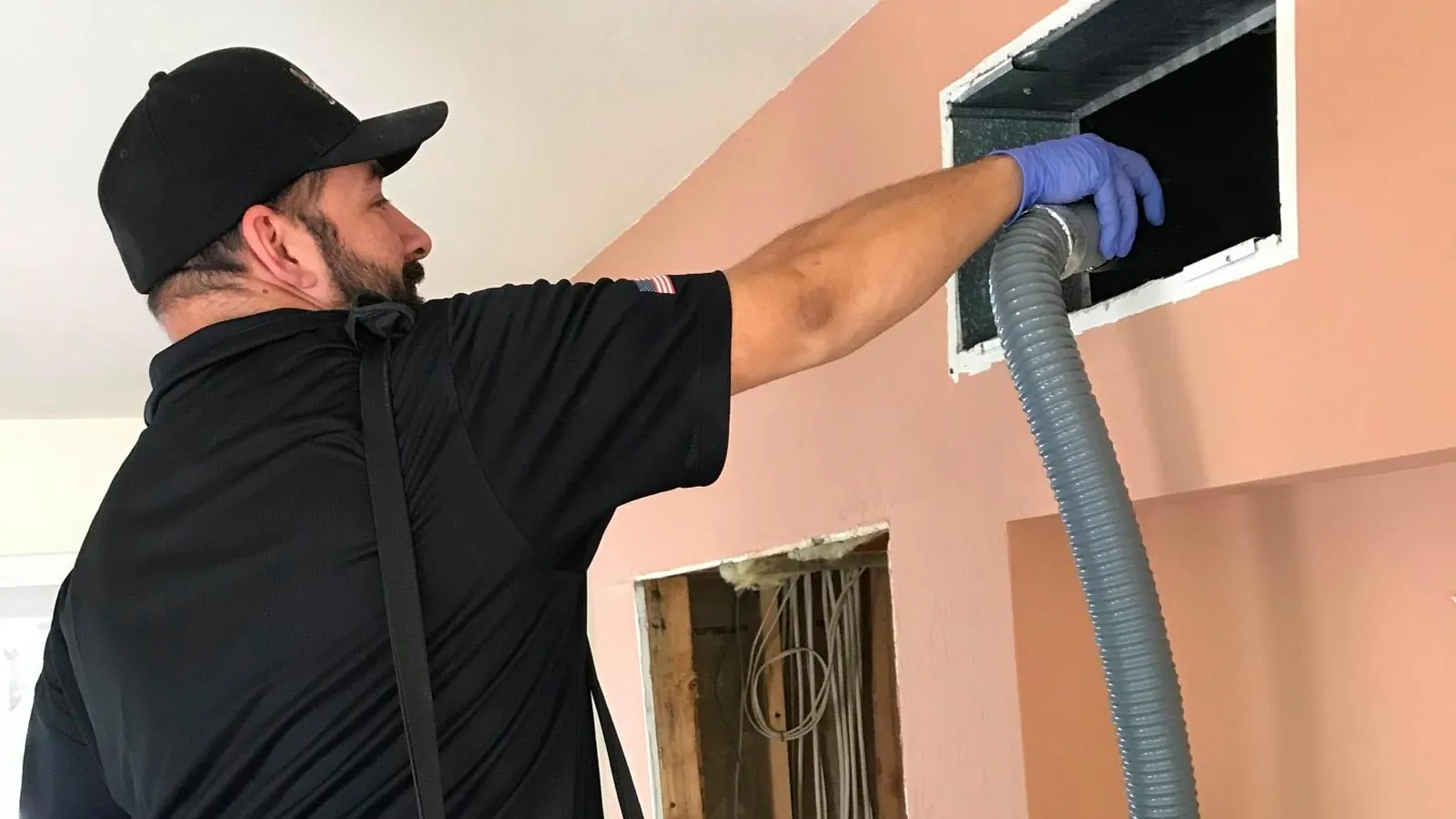
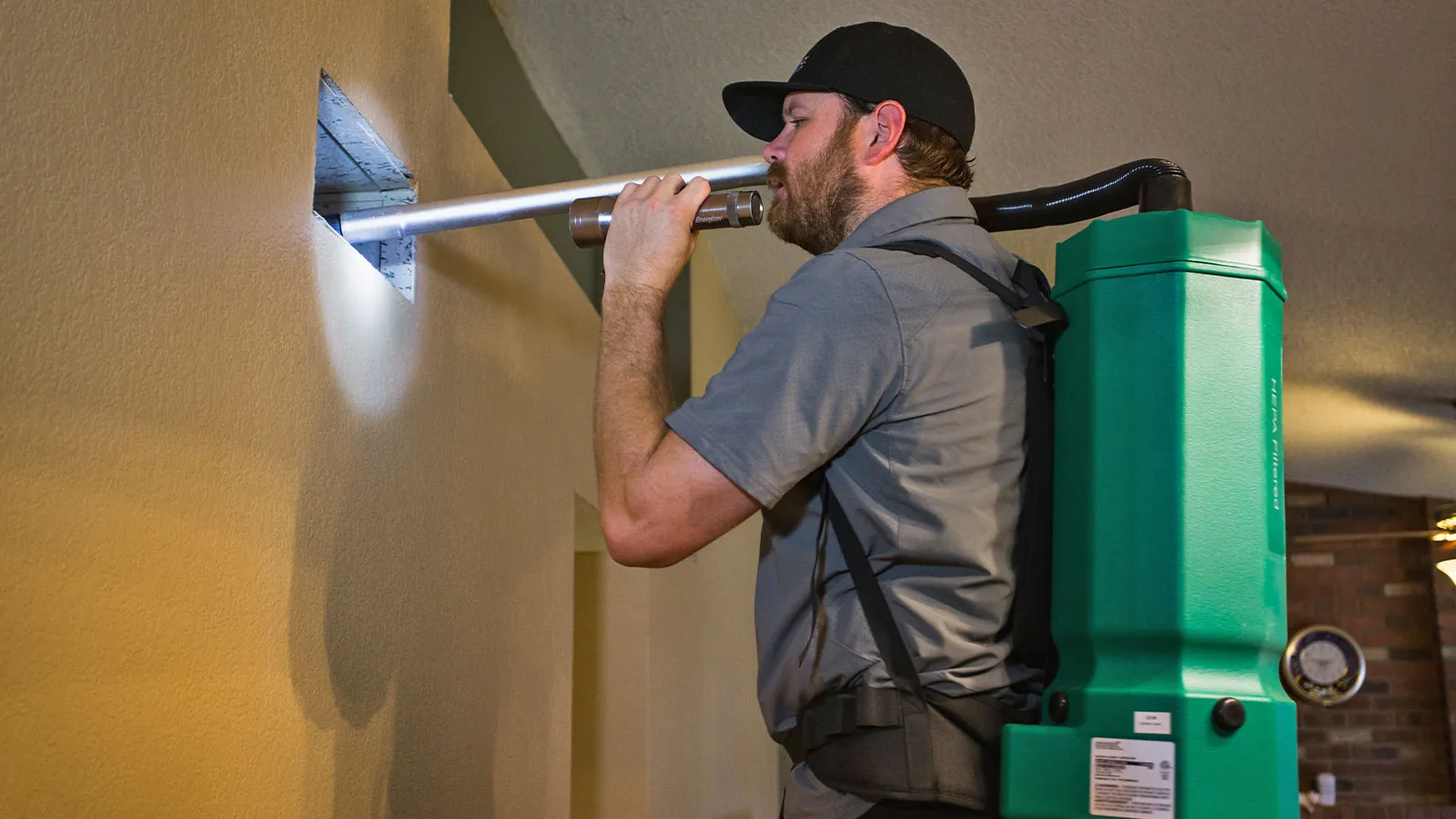
The technician starts with checking how dirty your system is and looks for any problems. They then use a powerful vacuum to create negative pressure throughout your HVAC system. This keeps dirt from spreading through your home during cleaning. While the vacuum runs, technicians use special tools like brushes, air whips, and compressed air nozzles to remove debris from inside surfaces. They might need to cut small holes in your ductwork to clean it properly, but they'll seal these afterward.
A proper professional cleaning takes three to five hours. You should be careful of companies that promise to finish much faster because they probably won't do a good job.
Common misconceptions about duct cleaning
People believe many myths about duct cleaning that aren't true. Some think duct cleaning automatically fixes airflow problems. In stark comparison to this, cleaning alone won't fix issues with airflow or temperature differences in your rooms.
The EPA doesn't say you need regular duct cleaning every 3-5 years. They recommend cleaning only when you need it. You should clean your ducts if you see mold, pests, or lots of debris. Some homeowners think duct cleaning gets rid of all smells and mold. While cleaning removes built-up dirt, it won't fix ongoing smell problems unless you deal with what's causing them.
The riskiest myth is that homeowners can clean ducts themselves. You need special equipment and training to clean air ducts properly. DIY attempts usually leave dirt behind or damage your system. Professional cleaners use specialized tools like HEPA-filtered vacuums, compressed air equipment, and rotary brushes that aren't available to homeowners.
Knowing what real air duct cleaning involves helps you decide if you need this service and if it's worth your money.
When is air duct cleaning necessary?
The EPA doesn't recommend air duct cleaning as a routine preventive measure. Notwithstanding that, you might need to clean your ducts in specific situations. Let's look at scenarios that make duct cleaning worth your time and money.
Visible mold or musty odors
Your ducts need cleaning right away if you spot visible mold inside or notice a musty smell when your HVAC runs. Mold in ductwork creates a serious problem, as your system spreads microscopic spores throughout your home every time it runs. You'll often notice a damp, earthy smell getting stronger when your heating or cooling kicks in - a clear sign of mold growth.
The EPA points out that significant mold growth inside hard surface ducts or other HVAC parts needs immediate cleaning. The problem goes beyond bad smells - mold can trigger allergies, asthma attacks, and breathing problems. Professional cleaners must tackle both the mold and its source of moisture, or the problem will just come back.
Pest infestations or droppings
Pests living in your ducts make cleaning absolutely necessary. Rodents, insects, and other unwanted guests leave behind waste, urine, and nesting materials that stink up your home. The EPA lists vermin infestation as a key reason to clean your air ducts.
These creatures bring serious health risks - rodents carry diseases like hantavirus, leptospirosis, and salmonella. On top of that, their nests can block airflow, making your system less efficient and creating hot or cold spots in different rooms. Strange noises, bad smells during HVAC operation, or droppings near vents usually mean you've got unwanted roommates.
Post-renovation dust and debris
Home projects create tons of dust and debris that end up in your duct system. NADCA experts say you should clean your ducts right after any major construction or remodeling. Even the most careful renovation leaves fine particles like sawdust, drywall dust, and paint fumes deep in your HVAC system.
These particles will keep circulating through your home whenever the system runs, undoing all your cleanup work. Construction dust contains irritants that can affect your breathing, hitting people with asthma or allergies the hardest. Only professional cleaning reaches deep enough into your ventilation system to remove these particles.
Clogged ducts or poor airflow
Uneven temperatures or weak airflow from your vents might mean clogged ducts. Your HVAC system works overtime with blocked ducts, driving up your energy bills. The EPA suggests cleaning when excessive dust and debris clog ducts, especially if you see particles coming from supply registers.
A quick way to check involves turning on your HVAC and feeling the airflow at each vent. Different air pressure between rooms signals potential issues. Take a flashlight and look as far down your ducts as possible to spot any blockages or damage.
Recurring allergies or respiratory issues
Health symptoms that get better when you leave home might point to contaminated ducts. Watch for coughing, sneezing, sore throats, congestion, watery eyes, wheezing, breathing trouble, headaches, and mild fevers. People's asthma or allergies often act up specifically at home.
The EPA acknowledges that unexplained symptoms linked to your home environment might need duct cleaning, but recommends talking to your doctor first. Your family might feel constantly tired and unwell at home while their immune systems battle airborne contaminants from dirty ducts. NADCA suggests that households with allergy sufferers might benefit from cleaning, especially when symptoms worsen indoors or during HVAC operation.
When is air duct cleaning not worth it?
Marketing hype might push air duct cleaning, but it's not always worth your money. The EPA states clearly that "there is no evidence that a light amount of household dust or other particulate matter in air ducts poses any risk to health". You can save hundreds of dollars by knowing when to skip this service.
New or well-maintained HVAC systems
Your HVAC system's age and maintenance level should guide your decision. Professional cleaning gives minimal benefits to newer buildings that have regular filter changes. Your system's condition matters more than random schedules. Your ducts are likely fine if you've kept up with maintenance and filter replacements.
New construction owners often worry about dust, but this fear isn't justified unless workers left vents unsealed during building or renovation. A contractor puts it simply: "If you look in there and nothing looks out of the ordinary, then it's normal".
No visible signs of contamination
The EPA makes it clear: "if, after a visual inspection of the inside of the ducts, you see no indication that your air ducts are contaminated with large deposits of dust or mold (no musty odor or visible mold growth), having your air ducts cleaned is probably unnecessary".
Some dust on return registers is normal and doesn't mean you need professional help. You can vacuum these registers or clean them after removal without paying for expensive services. A quick check with a flashlight tells you if there's anything beyond normal dust buildup.
No noticeable health or airflow issues
Your home likely doesn't need duct cleaning if nobody has unexplained allergies or breathing problems. The EPA points out that "duct cleaning has never been shown to actually prevent health problems". Good airflow and even temperatures throughout your home usually mean your ducts work fine.
Studies show that regular cleaning doesn't improve indoor air quality or reduce dust levels in homes. Most dirt in ducts sticks to surfaces instead of floating into living spaces.
Overpromised benefits with no real results
Watch out for companies that oversell duct cleaning benefits. The EPA warns that "claims that duct cleaning will improve health are often exaggerated and not supported by research". Companies often make misleading promises like:
- Guaranteed allergy relief
- Dramatically improved energy efficiency
- Complete mold elimination
- Significant reduction in dusting needs
Note that carpets, furniture, and household products create many indoor pollutants. Clean ducts won't eliminate these common pollutants or fix related issues. You probably don't need to spend money on duct cleaning unless you see specific problems like visible mold, pest infestations, or lots of dust and debris.
Pros and cons of air duct cleaning
You should think over air duct cleaning and weigh its benefits against drawbacks to make an educated decision that fits your needs.
Improved air quality and reduced allergens
A proper duct cleaning removes accumulated dust, dirt, pollen, pet dander, and other contaminants from your HVAC system. This process can substantially reduce airborne pollutants that circulate through your home and decrease allergy symptoms and asthma triggers.
This benefit matters most to families with members who suffer from respiratory conditions or react to airborne irritants. The EPA has found that indoor air pollution levels are up to five times higher than outdoor air.
Potential HVAC efficiency gains
Clean ducts help air flow better throughout your system. A groundbreaking study revealed that professional cleaning reduced fan and blower energy consumption by 41% to 60%. The supply airflow increased by 10% to 46% after cleaning. These improvements put less strain on your HVAC equipment, which can extend its lifespan and lower your energy bills.
Peace of mind and odor removal
Professional cleaning gets rid of musty, stale odors that come from your ductwork. Debris, mold, and bacteria in ducts create unpleasant smells throughout your home. Your living environment becomes fresher once these contaminants are gone, and you'll feel better knowing your system is clean.
Risk of scams and poor service
The duct cleaning industry attracts its share of dishonest operators. Watch out for:
- Ultra-low price offers ($99 or less) that use bait-and-switch tactics
- Companies that suddenly "find" mold and charge $1000+ for unnecessary treatments
- Firms that finish the job in less than 3 hours (proper cleaning takes longer)
Possible damage from improper cleaning
Careless or poorly trained service providers can damage your ducts or HVAC system. The EPA warns that badly cleaned air ducts can make indoor air quality worse. These problems might force you to take on difficult repairs that get pricey. Poor-quality service can harm your system and home environment more than help it.
How much does air duct cleaning cost and what to expect
Professional air duct cleaning prices vary significantly nationwide. You need to understand the costs and what to expect before deciding if this service deserves your money. Be cautious of any offers under $100. These deals often lead to aggressive upselling when technicians show up at your door.
What a proper cleaning service has
A legitimate duct cleaning service goes beyond simple vacuuming. The process takes 3-5 hours and should clean all vents, clear duct interiors, address return air pathways, and keep your system sealed and working properly.
The service should start with a detailed inspection. Technicians need to use specialized equipment for powerful vacuum extraction. They should also use agitation tools like brushes to remove debris while keeping negative pressure throughout your system.
How often should ducts be cleaned?
The National Air Duct Cleaners Association suggests cleaning your air ducts every 3-5 years. This schedule might change based on your situation: Your home might need more frequent cleanings if you have pets, indoor smoking, allergies, or recent renovations.
Houses with multiple residents typically require more regular service because of increased contaminants from coughs, colds, and pollen. Regular inspections work better than fixed schedules to determine when your ducts need cleaning.
Conclusion
Air duct cleaning is a service that many people misunderstand due to marketing hype. In spite of that, some situations definitely need professional cleaning. You should get your ducts cleaned if you spot visible mold, pest problems, debris after renovations, clogged ducts, or if people at home have unexplained breathing issues.
Homeowners need to know that regular cleaning without clear problems won't help much. The EPA makes it clear - normal dust buildup isn't a big health risk. Your decision shouldn't follow random schedules but should depend on what you see during inspections and your home's specific needs.
Professional cleaning typically costs $300-$500, but prices change based on your home's size, duct system, and how dirty it is. A reputable company is vital if you decide to get this done. Watch out for deals that seem too cheap - they often lead to pushy sales tactics.
Take a quick look at your ducts before you book a cleaning service. Your home's specific situation matters too - things like pets, smoking, or recent renovations. This gives you a full picture to decide if duct cleaning is worth your money.
Here's the truth: Air duct cleaning works great when you really need it, but not every home needs this service. Make your choice based on real problems, not scary marketing. Smart home maintenance decisions save money and stress while keeping your family's air clean and healthy.
Frequently asked questions
How often should air ducts be cleaned?
Air ducts typically don't need frequent cleaning. The National Air Duct Cleaners Association suggests every 3-5 years, but this can vary based on factors like pets, smoking, allergies, and renovations. It's best to inspect your ducts periodically and clean when necessary rather than following a strict schedule.
What are signs that air duct cleaning is necessary?
Key indicators include visible mold growth, pest infestations, excessive dust and debris, musty odors when the HVAC system runs, and unexplained respiratory issues or allergies that worsen at home. Post-renovation cleanup and clogged ducts causing poor airflow are also valid reasons for cleaning.
How much does professional air duct cleaning cost?
The average cost for air duct cleaning ranges from $300 to $500 for a typical single-family home. Prices can vary based on factors such as home size, system complexity, and contamination severity. Be cautious of extremely low-priced offers, as they often lead to aggressive upselling.
Can air duct cleaning improve HVAC efficiency?
Yes, proper air duct cleaning can potentially improve HVAC efficiency. Clean ducts allow for better airflow, which can reduce strain on your system. Some studies have shown that professional cleaning can decrease fan and blower energy consumption by 41% to 60% and increase supply airflow by 10% to 46%.
Is DIY air duct cleaning effective?
DIY air duct cleaning is generally not recommended. Professional cleaning requires specialized equipment and training that homeowners don't have access to. Attempting to clean ducts yourself may result in incomplete cleaning or even damage to your HVAC system. It's best to hire a certified professional if duct cleaning is necessary.