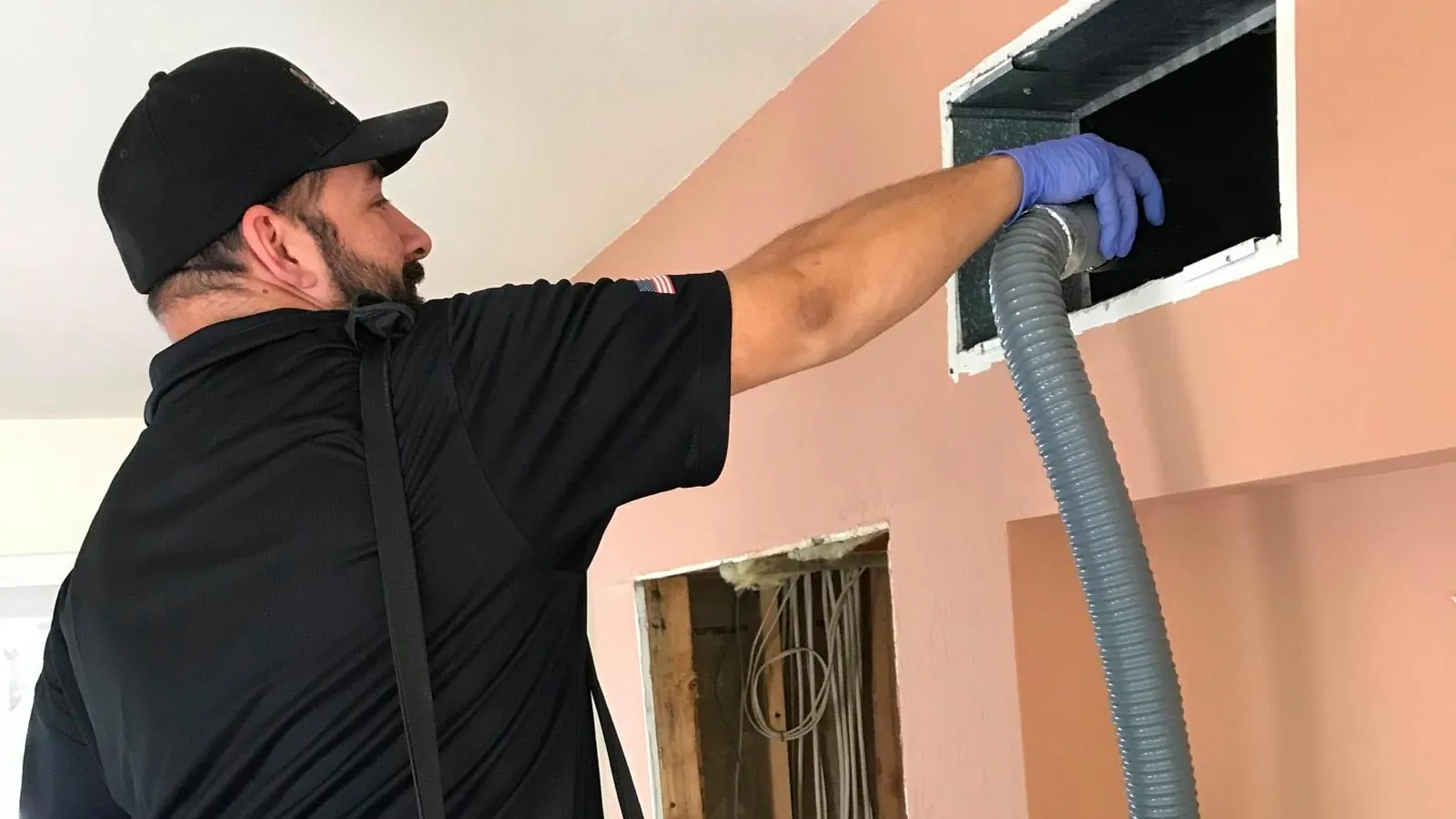

What's Actually Inside Your Phoenix Air Ducts
Desert dust, monsoon debris, mold, bacteria — what's really inside Phoenix ductwork, and the EPA's honest take on when cleaning is worth it.
 Becky DerendalArizona Chimney & Air Ducts · · Updated · 17 min read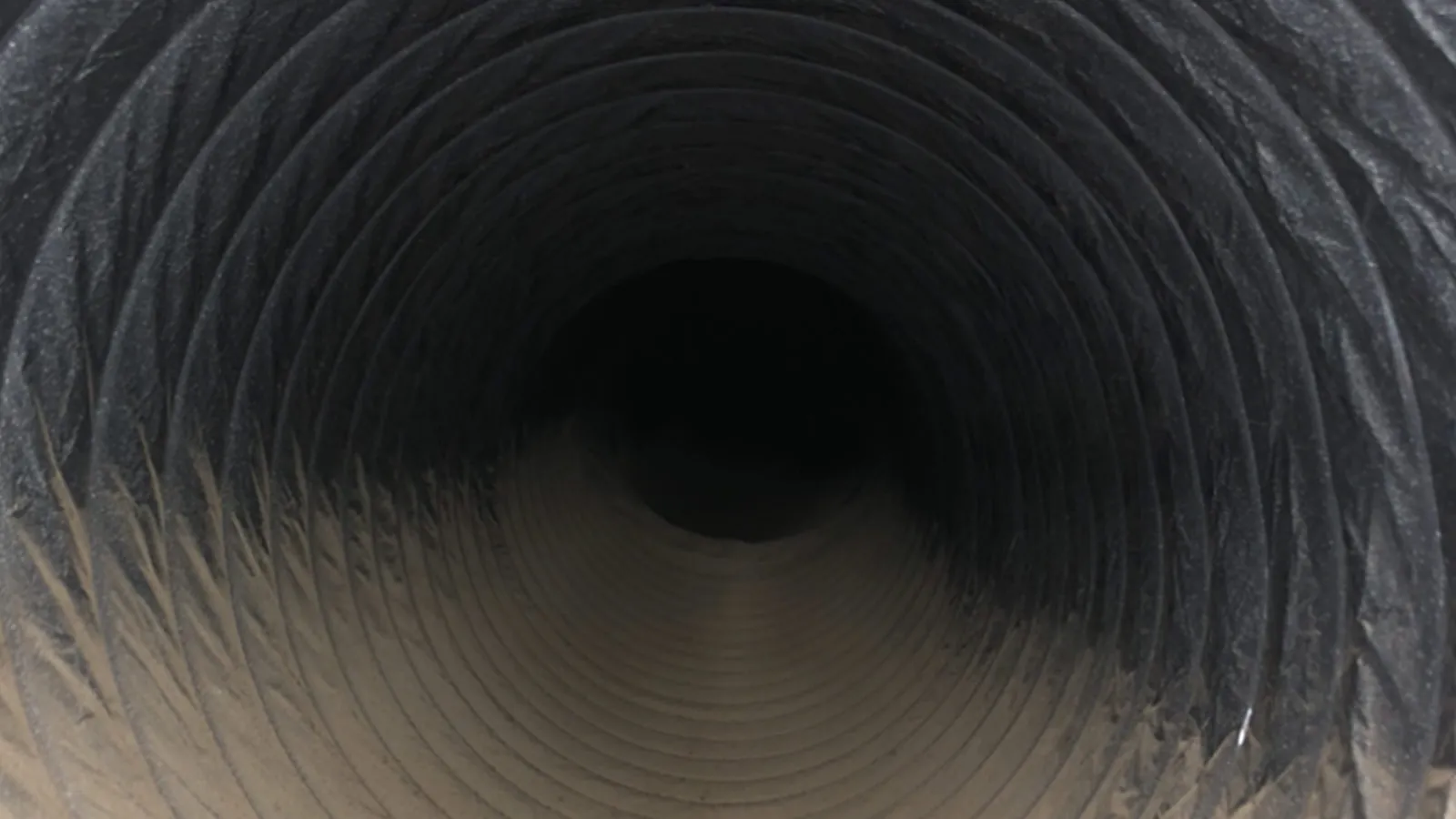
Monsoon season officially starts on June 15. Between now and September 30, the Valley will get some number of storms that arrive as a wall of dust first and rain second — and every one of them is going to push fine desert soil into places you'd rather it not go.
Which raises a question most Phoenix homeowners have wondered about at some point, usually while staring at a supply register: what is actually in there?
The honest answer is more interesting than the scary one. There's real material in Valley ductwork, some of it specific to living in the Sonoran Desert. There's also a lot of marketing in this industry that inflates the danger, and we'd rather not add to it. So below is a straight inventory — what accumulates, where it comes from, whether it matters, and what the EPA actually says about doing something about it. We've been cleaning air ducts in Phoenix since 1985, and we'd rather you make an informed decision than a nervous one.
Nine Things That Live in Valley Ductwork
When we pull a register and put a camera in, this is the list — roughly in order of how much of it there tends to be. The verdict on each is ours, and it's not always the one you'd expect from a duct cleaning company.
Ordinary settled dust
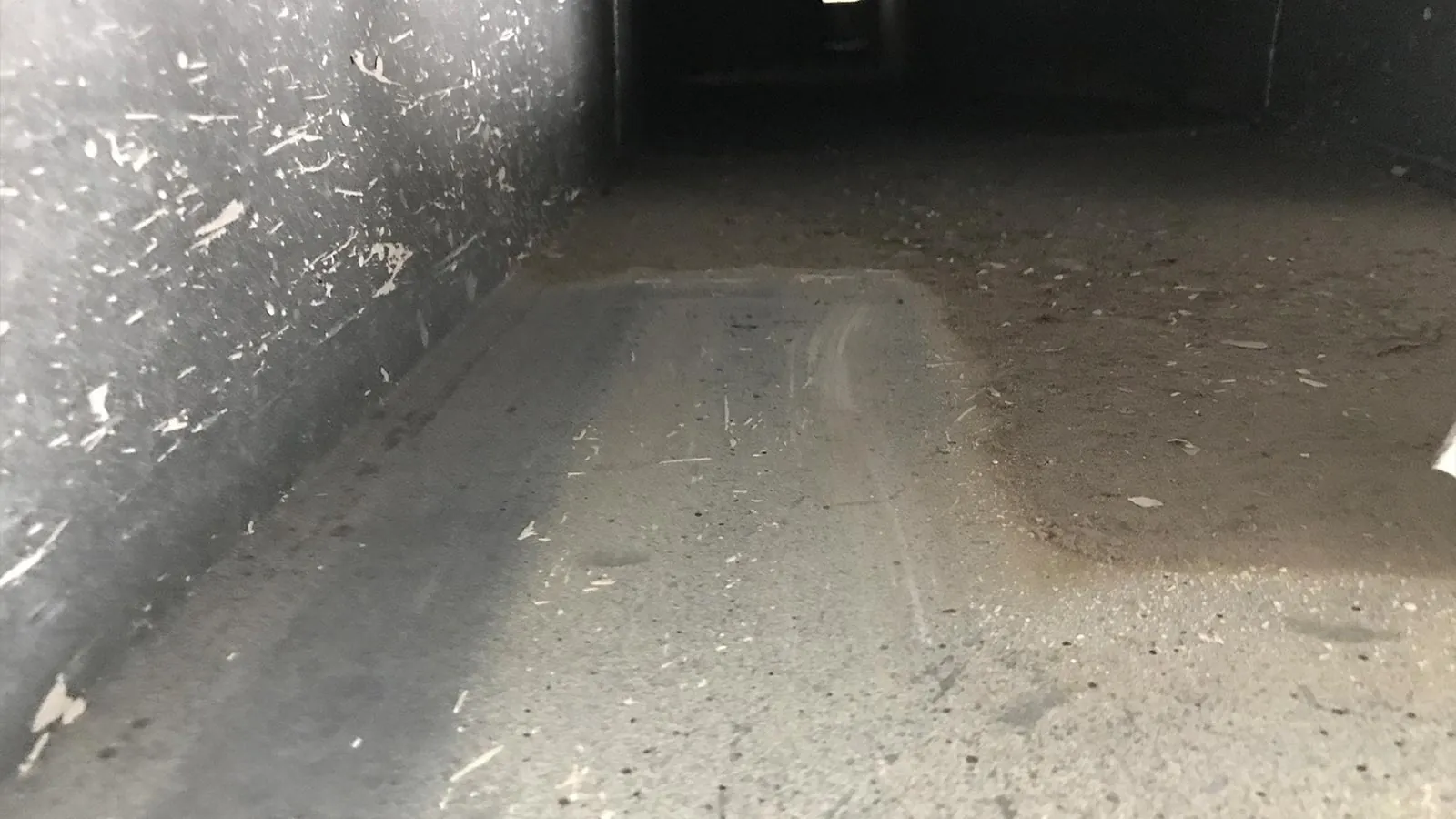
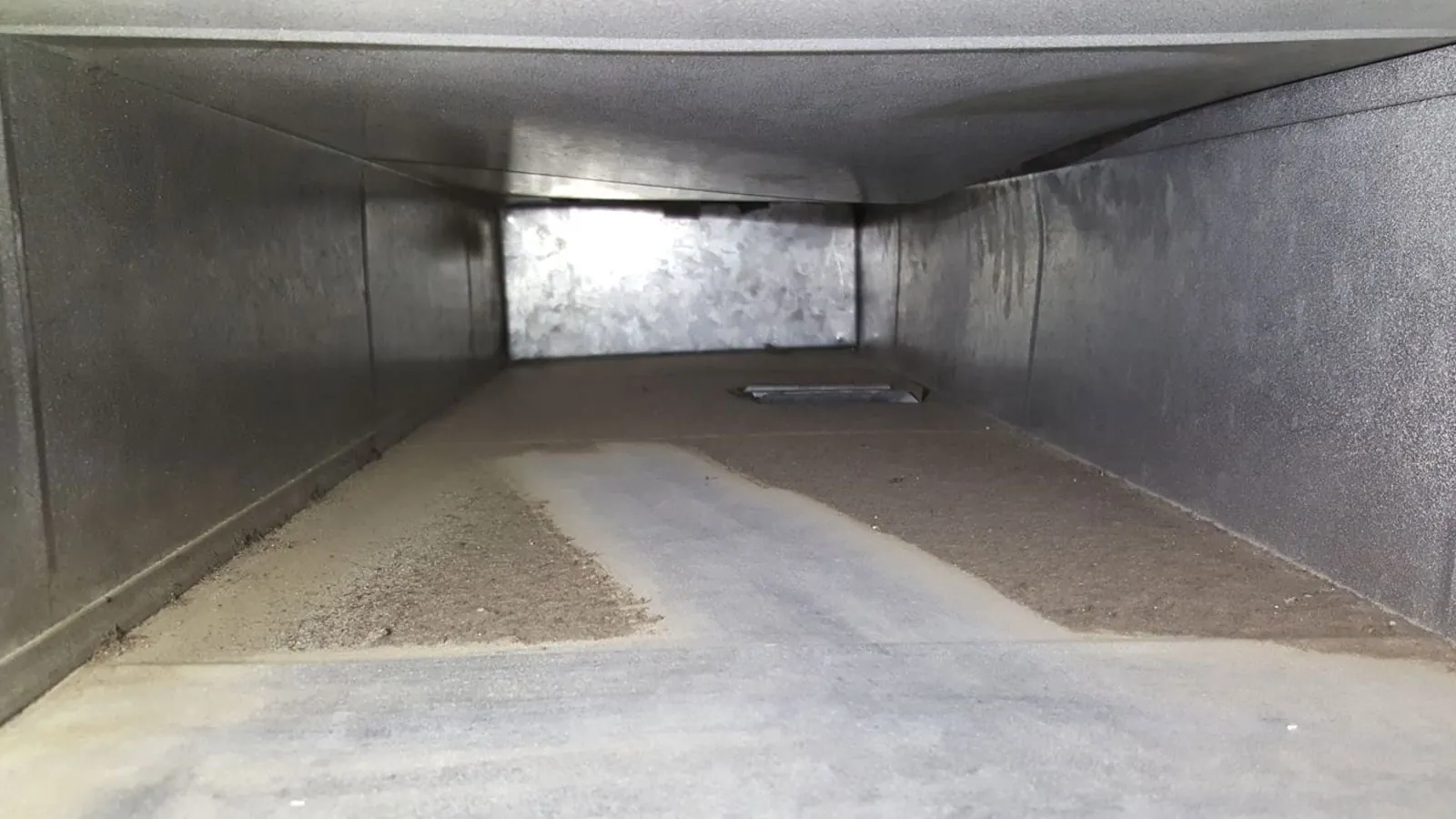
The gray fuzz. It's a mix of skin flakes, textile fibers shed from carpet, upholstery and clothing, and whatever came in on shoes. It's the bulk of what's in there by volume in almost every home.
Reality check: most of it adheres to the duct wall and never moves.
Blown mineral dust
This is the Phoenix-specific one. Fine, hard, silty desert soil driven in by wind and monsoon storms through open doors, gaps around windows, attic penetrations, and — most of all — leaky return ducts pulling from unconditioned space.
Reality check: it's abrasive, it's fine enough to stay airborne, and we have more of it than anywhere else.
Pollen
Olive, mulberry, ash, palo verde, mesquite, ragweed, Bermuda grass. Phoenix has a long allergy season and pollen gets pulled into the return along with everything else.
Reality check: matters a great deal if you have allergies, very little if you don't.
Pet dander and hair
Dander is light, it stays airborne longer than dust, and it ends up everywhere the air goes. Multi-pet homes accumulate noticeably more of it in the system, particularly at the return and on the coil.
Reality check: the most common legitimate reason we get called.
Dust mites
Dust mites are a genuine allergen and they're a genuine presence in homes. They are not, however, a duct problem. Mites need humidity above roughly 50% and a food supply, which means they live in mattresses, pillows, upholstery, and carpet.
Reality check: a bone-dry Phoenix duct is one of the worst places in your house to be a dust mite.
Microbial growth at the coil
Not in the duct runs — at the evaporator coil and the condensate drain pan, where your AC pulls moisture out of the air and creates the only reliably wet surface in the whole system. That's where mold and bacteria actually get what they need.
Reality check: if there's a musty smell when the AC starts, this is almost always the source.
Construction and remodel debris
Drywall dust, sawdust, insulation fibers, and stucco grit. Ducts in a new build often start dirty because they sat open during construction. A remodel with the system running does the same thing to an older home.
Reality check: this is loose, abundant, and it does come out the registers.
Rodents, insects, and what they leave
Roof rats are established across large parts of the Valley, and attic ductwork is an appealing place to be. Add scorpions, crickets, and cockroaches finding their way into flex duct through a tear. Droppings, nesting material, and carcasses are all genuine contamination.
Reality check: this is one of the EPA's own three reasons to clean.
Coccidioides (Valley fever spores)
The soil fungus behind Valley fever lives in Sonoran Desert dirt, and Maricopa County reports a large share of the country's cases. You will see companies imply that duct cleaning protects you from it.
Reality check: it doesn't work that way. Read the section below.
What Monsoon Season Adds
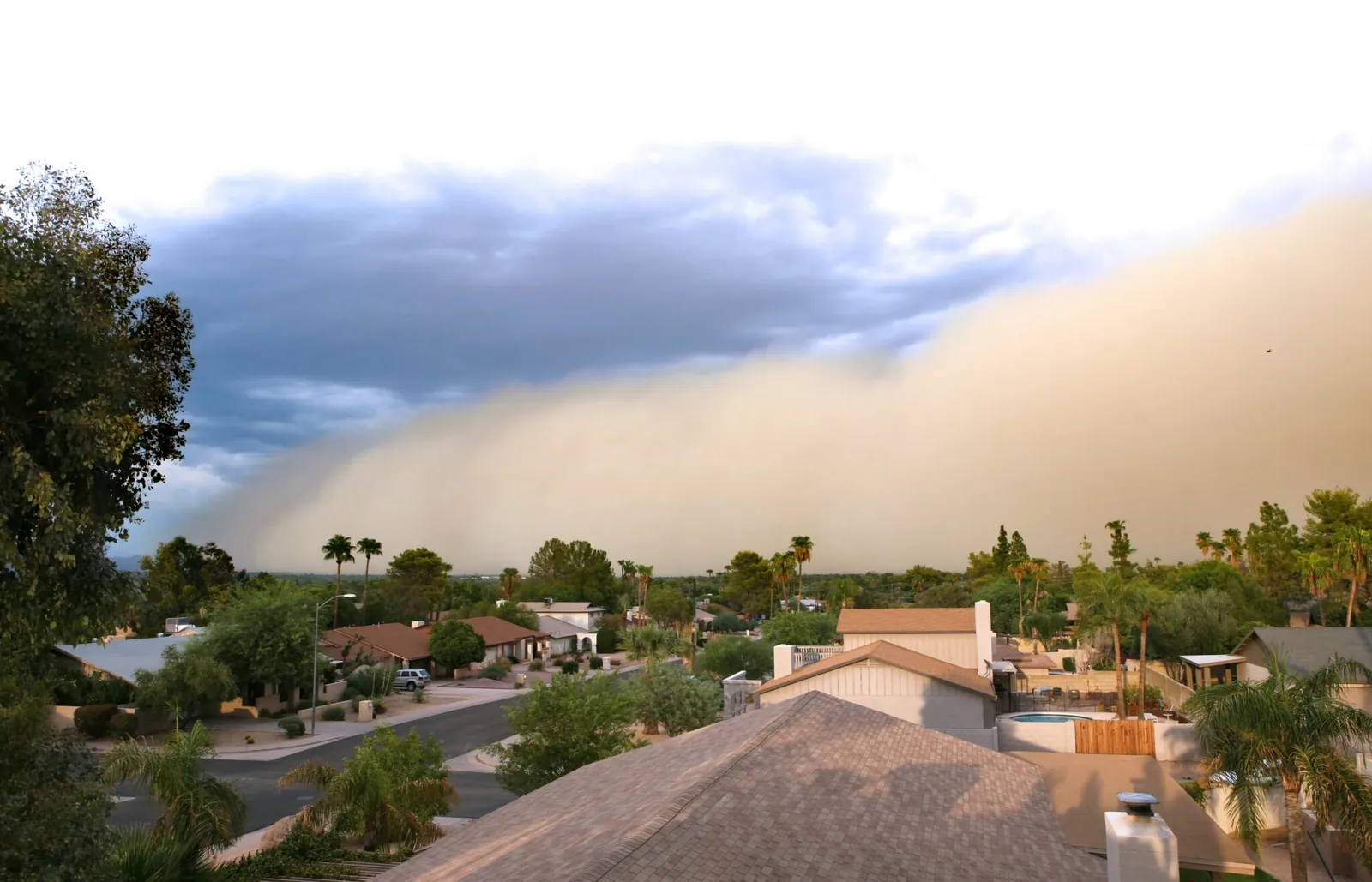
The National Weather Service fixed Arizona's monsoon window at June 15 through September 30 back in 2008. The date isn't a rain forecast — it marks the seasonal wind shift, when the prevailing flow turns from dry westerly to moist southerly and starts pulling humidity up from the Gulf of California. The actual storms usually don't get going in earnest until early-to-mid July.
What that season does to your duct system happens on two fronts.
The dust front
A haboob is a thunderstorm downdraft hitting the desert floor and lifting a wall of soil in front of it. The July 2011 event that put the word into the national vocabulary ran roughly 100 miles wide and thousands of feet tall. Ordinary ones are smaller and far more frequent, and they push more fine particulate through a neighborhood in ten minutes than a normal month generates. That dust doesn't respect your weatherstripping. It comes in around doors, through attic penetrations, and straight into any return duct with a gap in it — and whatever gets past your filter settles in the system.
The moisture front
This one gets less attention and matters more. Monsoon humidity raises the moisture load your AC has to pull out of the air, which means more condensation on the coil and more water in the drain pan, running for more hours a day. Dust plus moisture plus warmth is the entire recipe for microbial growth, and monsoon season briefly supplies all three in the same place.
The Bacteria and Mold Question, Answered Honestly
Search this topic and you'll find a lot of pages listing "bacteria, viruses, fungi" in ominous bold type. Some of that is technically true and rhetorically dishonest, so let's separate it out.
Bacteria: yes, there are bacteria in your ducts. There are bacteria on your countertops, your phone, and your skin. Their presence in a duct is a normal condition of being an indoor environment, not evidence of a problem. What would be evidence of a problem is a persistent musty or sour odor, which points to a specific wet location rather than the ductwork generally.
Viruses: viruses don't colonize ducts. They need a living host to reproduce and they don't set up shop in dust. A company implying your ductwork is a viral reservoir is selling you something.
Mold: this one is real, but the location matters enormously. Mold needs moisture. In a Phoenix home, the sheet metal and flex duct running through your attic and walls is one of the driest environments imaginable for ten months of the year. The place that stays wet is the evaporator coil and the condensate drain pan. That's where growth actually happens, and that's where a real inspection looks first.
About Valley Fever — Read This Before You Believe an Ad
We're a Phoenix company. We know Valley fever is a real illness that affects real people here — Arizona and California together account for the overwhelming majority of U.S. cases, and the great majority of Arizona's are reported in Maricopa, Pima, and Pinal counties. It's serious and it deserves to be discussed accurately.
So here's the accurate version: air duct cleaning is not a Valley fever intervention, and we won't sell it as one.
Valley fever comes from inhaling Coccidioides spores released when desert soil is disturbed. Exposure happens overwhelmingly outdoors — at construction and excavation sites, during soil-disturbing work, on trails and dirt roads. And despite how intuitive the connection feels, research has not established a consistent link between dust storms and Valley fever case counts. The relationship between wind, dust, and infection is genuinely more complicated than the marketing suggests.
If a duct cleaning ad in this town gestures at Valley fever to make you nervous, that's a marketing decision, not a medical one. There are good reasons to clean your ducts. This isn't one of them.
What Duct Cleaning Does and Doesn't Do
The EPA published a consumer guide on exactly this question, and it's more measured than most of our industry likes to admit. We'd rather you read it than take our word for it — but here's the honest scorecard.
We're aware that some of the above doesn't sell duct cleaning very hard. We've been doing this in the Valley for forty years, and we've found that homeowners who understand what they're buying are better customers than homeowners who were scared into it.
When Your Ducts Actually Need Cleaning
The EPA lists three conditions that warrant it. All three are worth knowing, because they're the difference between a real reason and a sales pitch.
To that list, we'd add four situations that come up constantly in Phoenix and are worth acting on:
Our own suggested rhythm for a typical Valley home is roughly every five years, and sooner if someone in the household has allergies or a medical condition that warrants it. If none of the above describes you and nothing has changed in your home, waiting is a perfectly defensible choice, and we'll tell you so on the phone.
The Thing That Matters More Than Duct Cleaning
Here's the uncomfortable arithmetic. A standard fiberglass air filter arrests less than 15% of the pollutants passing through it — meaning about 85% goes straight past and into your ducts. Every day. All year.
Which means the highest-leverage thing in this entire article isn't a service we sell. It's your filter.
How We Clean a System
The EPA's guidance on choosing a provider is essentially a list of ways this can be done badly: a vacuum that dumps debris back into your house, a "cleaning" that touches the duct runs and ignores the coil, chemicals sprayed over dirt instead of after it's removed. We built our process around avoiding exactly those.
Price and time depend on your home's square footage and how many HVAC systems it has, which is why we ask for both before quoting. Call and you'll speak with one of the owners, and you'll get a complete quote rather than a teaser rate that grows once someone's in your attic.
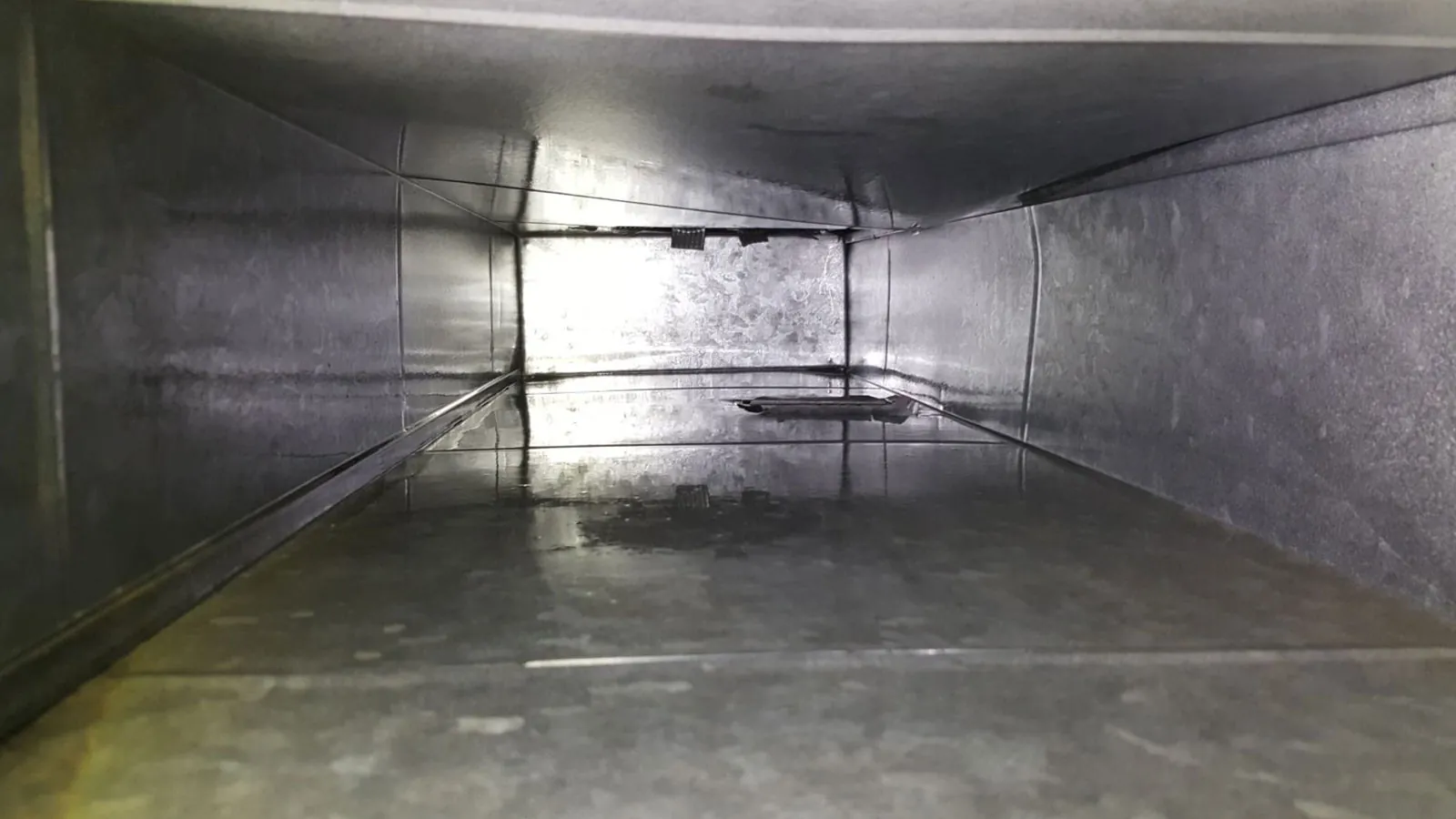
One more thing worth knowing: Arizona is one of the states that requires air duct cleaners to hold a license. Ask anyone you're considering — including us — for theirs. It's a reasonable question and a good company won't flinch at it.
We provide valley-wide service across the Greater Phoenix area. Far outer communities may be seasonal with a possible trip charge — call to confirm. You can request service online, or check the $50 off air duct cleaning offer first.
Frequently asked questions
What is actually inside a Phoenix home's air ducts?
Mostly settled dust: fine desert soil tracked or drawn in from outside, skin flakes, textile fibers from carpet and clothing, pet hair and dander, and pollen. Valley homes add a heavy load of blown mineral dust from wind and monsoon storms. Some homes also have drywall dust and sawdust left from construction or a remodel, insect casings, and rodent or bird debris. Microbial growth is possible but is concentrated near the cooling coil and drain pan where condensation collects — not spread evenly through the ductwork.
Does dust in air ducts actually get into the air I breathe?
Often less than people assume. The EPA notes that much of the dirt inside air ducts adheres to the duct surfaces and doesn't necessarily enter the living space, and that dirty ducts are only one of many possible particle sources in a home. The dust that matters is the dust that's loose enough to move — which is why the EPA's trigger for cleaning isn't simply "dirty ducts," but ducts clogged with excessive debris where particles are actually being released into the home from the registers.
What does the EPA say about air duct cleaning?
The EPA doesn't recommend routine duct cleaning on a schedule. It recommends cleaning as needed, and lists three conditions worth acting on: substantial visible mold growth inside hard-surface ducts or on other HVAC components, ducts infested with vermin such as rodents or insects, and ducts clogged with excessive dust and debris where particles are actually being released into the home. The EPA also states that duct cleaning has never been shown to prevent health problems — and that provided the cleaning is done properly, no evidence suggests it would be detrimental.
How does monsoon season affect air ducts in Phoenix?
Arizona's monsoon season officially runs June 15 through September 30. Haboobs push enormous volumes of fine mineral dust through a neighborhood in minutes, and that dust enters homes through open doors, gaps around windows, attic penetrations, and leaky return ducts. Anything that gets past the filter settles in the system. Monsoon humidity also raises the moisture load at the cooling coil, which is where microbial growth actually starts. Late September through November, after the season ends, is the most logical window for a Valley duct cleaning.
Are there bacteria and viruses in my air ducts?
Some bacteria are present in essentially every indoor environment, including ductwork — that on its own is normal rather than alarming. Viruses don't reproduce in dust and don't colonize ducts. The realistic microbial concern in a Phoenix home isn't the duct runs but the cooling coil and condensate drain pan, where condensation creates the moisture that mold and bacteria need. If your system smells musty when the AC kicks on, that's where to look first.
Can air duct cleaning prevent Valley Fever?
No — and any company that tells you otherwise is overselling. Valley fever is caused by inhaling Coccidioides spores from disturbed desert soil, and exposure happens overwhelmingly outdoors. Research has not established a consistent link between dust storms and Valley fever case counts. Maricopa County's public health guidance for dust events is to stay inside, keep windows closed, use recirculating air conditioning in a vehicle, and vacuum with a filter rather than sweep after a dust storm. Duct cleaning is not a Valley fever intervention and should never be sold as one.
How often should Phoenix air ducts be cleaned?
We suggest roughly every five years for a typical Valley home, and sooner if someone in the household has allergies, asthma, or a medical condition that warrants it. Sooner also makes sense after a remodel or new construction, after a rodent or insect problem, or if you can see debris blowing out of the registers. If none of those apply and nothing has changed in your home, waiting is a reasonable choice.
Will cleaning my air ducts fix my allergies?
It may help, but it isn't a cure and we won't promise it as one. The EPA is direct that duct cleaning has never been shown to prevent health problems. For most Phoenix allergy sufferers, a better filter changed on schedule, controlling the dust that enters the house, and addressing carpets and bedding do more than duct cleaning alone. Duct cleaning makes the most sense as one part of that picture, not the whole answer.
Is air duct cleaning messy?
It shouldn't be. All of our vacuum equipment is HEPA-filtered to 99.97%, so the dirt stays in the machine and out of your home. This matters more than most homeowners realize: the EPA warns that an inadequate vacuum collection system can release more dust and contaminants than leaving the ducts alone. Ask any company you're considering whether their vacuum exhausts outdoors or uses HEPA filtration indoors.
Will your equipment damage my air ducts?
No. Our equipment is designed to be aggressive at removing debris from your air system while remaining gentle enough that it doesn't damage your ducts. Duct material matters — sheet metal, flex duct, and fiberglass duct board all clean differently — which is why the technician identifies what you have before starting.
How much does air duct cleaning cost in Phoenix?
Price and time are determined by the square footage of your home and the number of HVAC systems it has, so an honest quote needs those two details. We offer a complete air duct cleaning with no hidden charges, and we run a limited-time $50 off air duct cleaning promotion. Call (602) 439-3218 and you'll speak with one of the owners.