
Signs Your Dryer Vent Needs Cleaning: Phoenix Fire Risks
The warning signs your dryer vent needs cleaning, why Phoenix homes face a higher fire risk, and the five-minute check you can do yourself.
 Becky DerendalArizona Chimney & Air Ducts · · Updated · 14 min read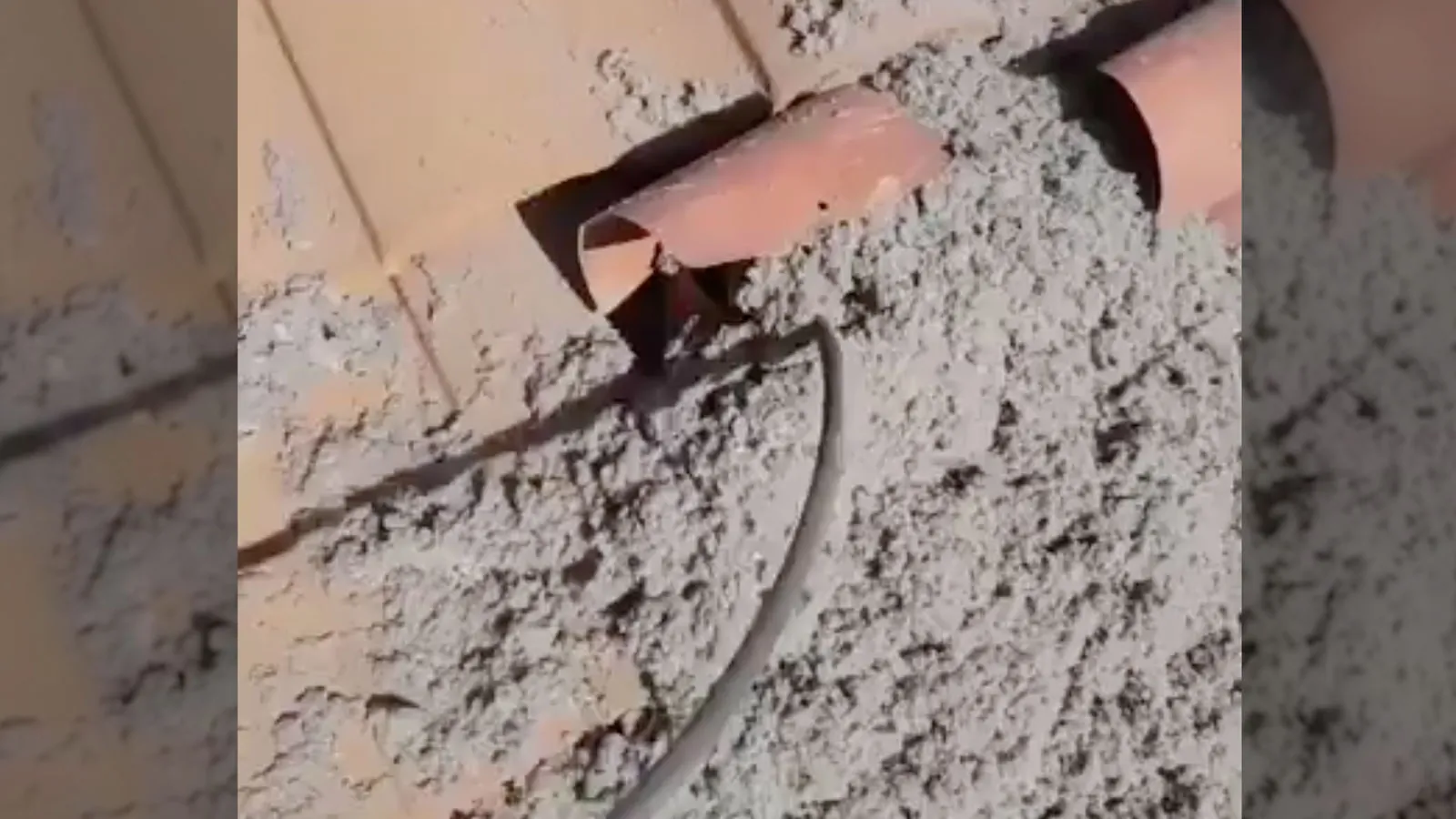
Almost nobody thinks about their dryer vent. It's a duct you can't see, running through a wall or an attic, ending somewhere on the roof or the side of the house. It asks nothing of you. And then one day the towels come out damp after a full cycle, and you write it off as an old dryer.
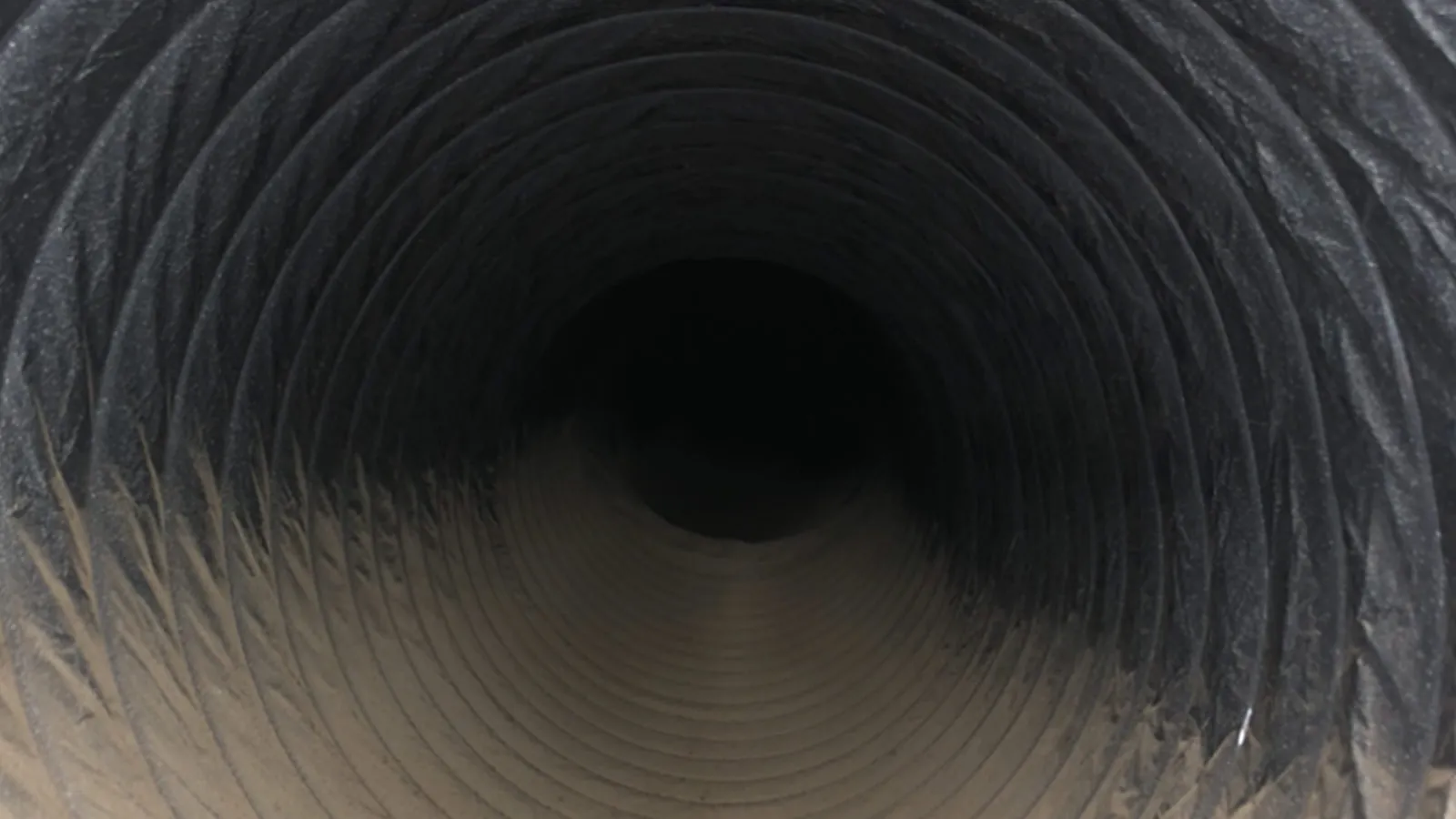
That's usually the first warning. A dryer's whole job is to pull heat and moisture out of your clothes and push it outside. When lint narrows that path, the air slows down, the heat has nowhere to go, and the appliance starts working against itself — longer cycles, hotter parts, more wear, and a duct packed with one of the most flammable materials in your house.
Below are the signs that your vent is clogged, sorted by how urgently they need attention, plus the reasons Phoenix homes tend to get there faster than homes elsewhere. Arizona Chimney & Air Ducts has been cleaning Valley dryer vents since 1985, and this is the checklist our technicians work from.
Why Phoenix Is Hard on Dryer Vents
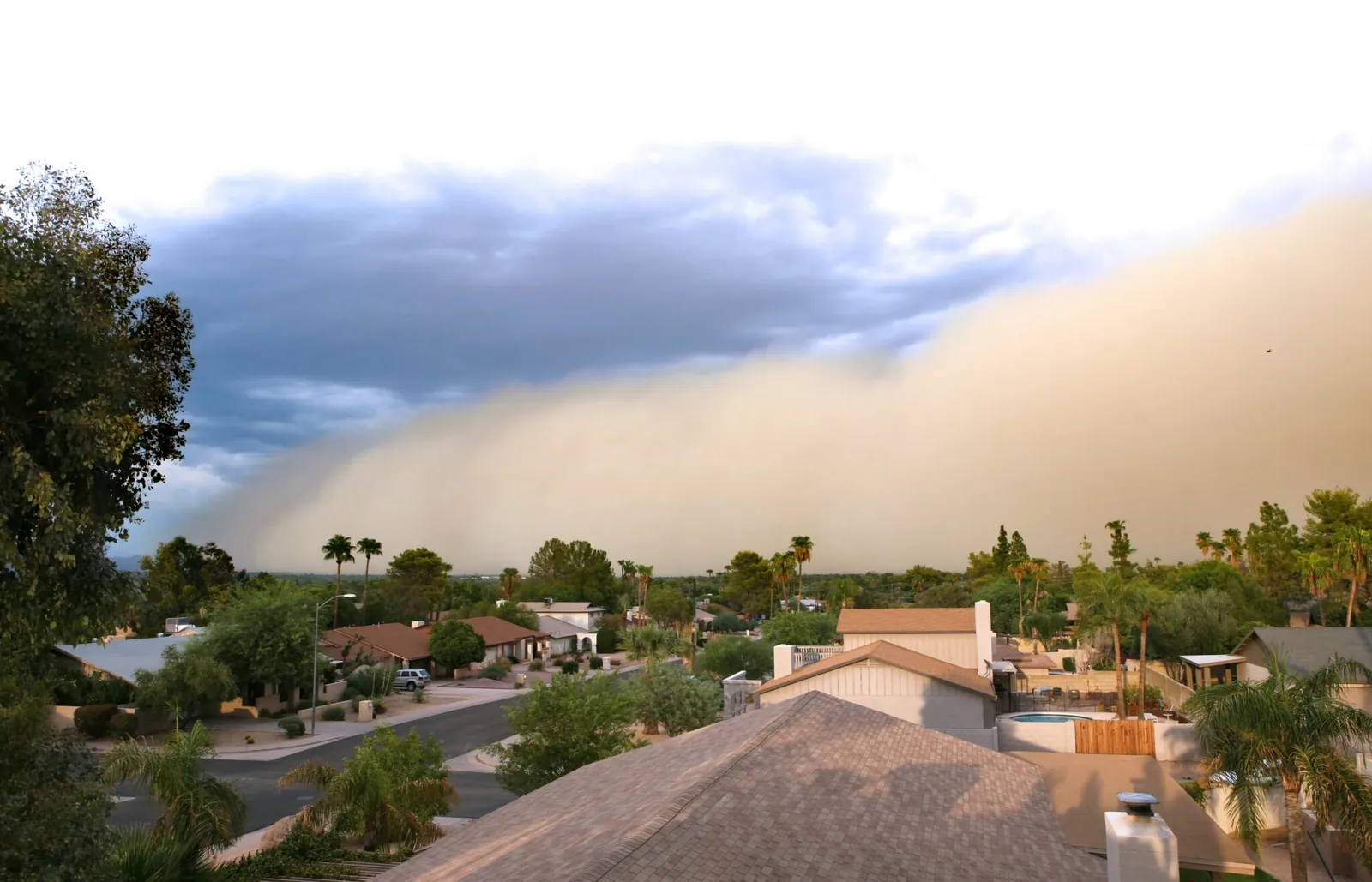
Dryer vents clog everywhere. They just clog faster here, for reasons that have nothing to do with how you do laundry.
There's also a quieter factor: our air is dry. Lint that sits in a duct in Phoenix stays bone-dry year-round. It doesn't clump with humidity, it doesn't settle — it stays light, loose, and instantly combustible.
10 Warning Signs, Ranked by Fire Risk
Not every symptom carries the same weight. A few mean "put it on the list." A few mean "stop using the dryer." Here's how our technicians triage them.
You smell burning
A hot, scorched, or acrid smell during a cycle means lint somewhere in the system is already being cooked. Stop the dryer, unplug it or shut off the gas, and don't run it again until the vent has been cleaned and inspected.
Why it matters: this is the last warning before ignition.
The dryer shuts off before the load is dry
That's the high-limit thermostat or thermal fuse tripping — a safety device doing its job because the heater box got too hot. It's not a glitch, and it's not a sign you need a new dryer. It's a sign the air can't get out.
Why it matters: the last line of defense is already firing.
Towels and jeans need two full cycles
A healthy vent dries a normal load in about 30 to 45 minutes. If heavy items take twice that, airflow is restricted — and a dryer running twice as long wears out roughly twice as fast.
Why it matters: it's the earliest reliable symptom of a blockage.
The exterior vent flap barely opens
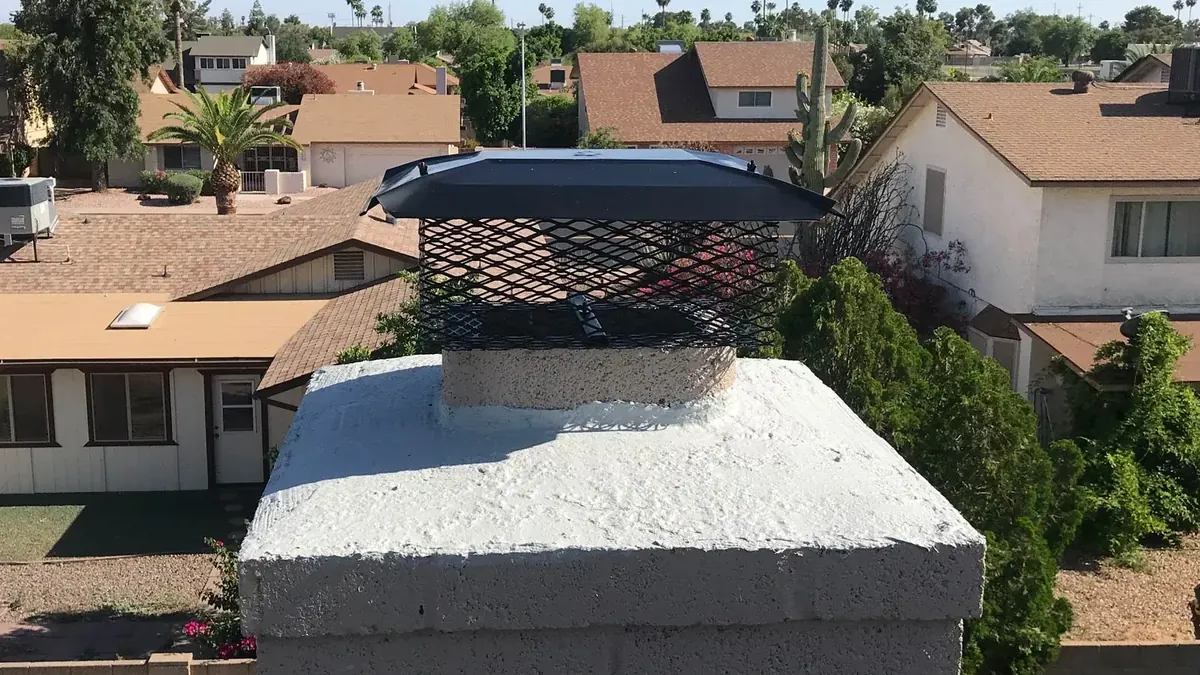
With the dryer running, the flap on the vent hood should be pushed wide open with strong, warm airflow you can feel from a few feet away. A flap that stays shut, flutters weakly, or has lint packed around it means the duct is blocked at or near the termination.
Why it matters: the most direct evidence you can gather yourself.
There's white vinyl or thin foil hose behind the dryer
We see this constantly. White vinyl transition hose is highly flammable and gives off dangerous fumes when it burns; thin foil crushes behind the appliance and catches lint in every fold. Manufacturers specifically direct owners not to use them.
Why it matters: it's fuel sitting inches from the heat source.
You hear rattling, scratching, or chirping in the vent
Birds nest in Valley vent hoods every spring. A nest is a total blockage made of dry twigs and grass, sitting at the exact point where hot exhaust exits. If you hear something in there, stop running the dryer.
Why it matters: nesting material is tinder in the hottest spot in the system.
The laundry room gets hot and humid
All that heat and moisture is supposed to leave the building. If the room turns into a sauna while the dryer runs, it's spilling back inside instead — which also means your AC is now paying for your laundry.
Why it matters: the exhaust isn't reaching the outside.
Clothes come out hot to the touch
Properly vented laundry comes out warm and dry, not hot. Clothes too hot to fold immediately mean the drum is running above its design temperature because the air isn't cycling through.
Why it matters: sustained overheating degrades every component.
Lint is collecting where it shouldn't
Fuzz around the outside vent hood, on the wall or roof near the termination, or drifting behind the dryer means lint is escaping the path it's meant to follow — and far more of it is still inside the duct.
Why it matters: visible lint is the small fraction that got out.
You can't remember the last cleaning
If it's been more than a year — or if you moved in and never had it done — you don't have a symptom yet, you have an unknown. Snowbird homes and rentals are the worst offenders, because nobody has been watching dry times closely enough to notice a change.
Why it matters: annual service is the baseline, not the fix.
The Five-Minute Check You Can Do Today
You don't need tools or expertise to find out where you stand. Run a load of towels and work through this while it's going.
What Actually Causes a Dryer Fire
The numbers here are worth knowing, because they reframe the whole issue. Dryer fires are not freak appliance failures. They're overwhelmingly a maintenance problem.
According to the National Fire Protection Association, U.S. fire departments respond to roughly 13,820 home structure fires a year involving clothes dryers, causing an average of about $233 million in direct property damage. The single leading contributing factor is failure to clean — responsible for roughly a third of them. The item first ignited is dust, fiber, or lint in about 27% of cases.
Put those together and the picture is straightforward: the most common cause of dryer fires is the one thing a homeowner can completely control. The mechanism is simple, too. Lint restricts airflow. Restricted airflow means the operational thermostat can't read the air temperature correctly, so the heater box keeps climbing until the high-limit thermostat trips. Trip that safety often enough, over enough months, and eventually something in the system gives before the safety does.
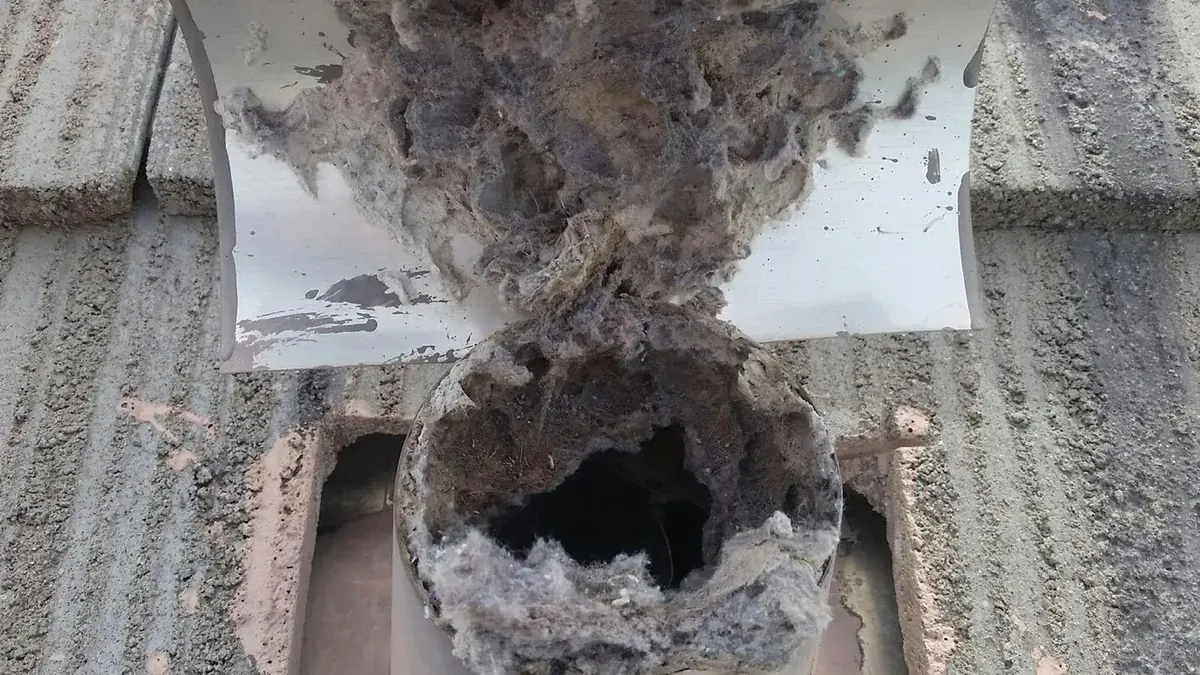
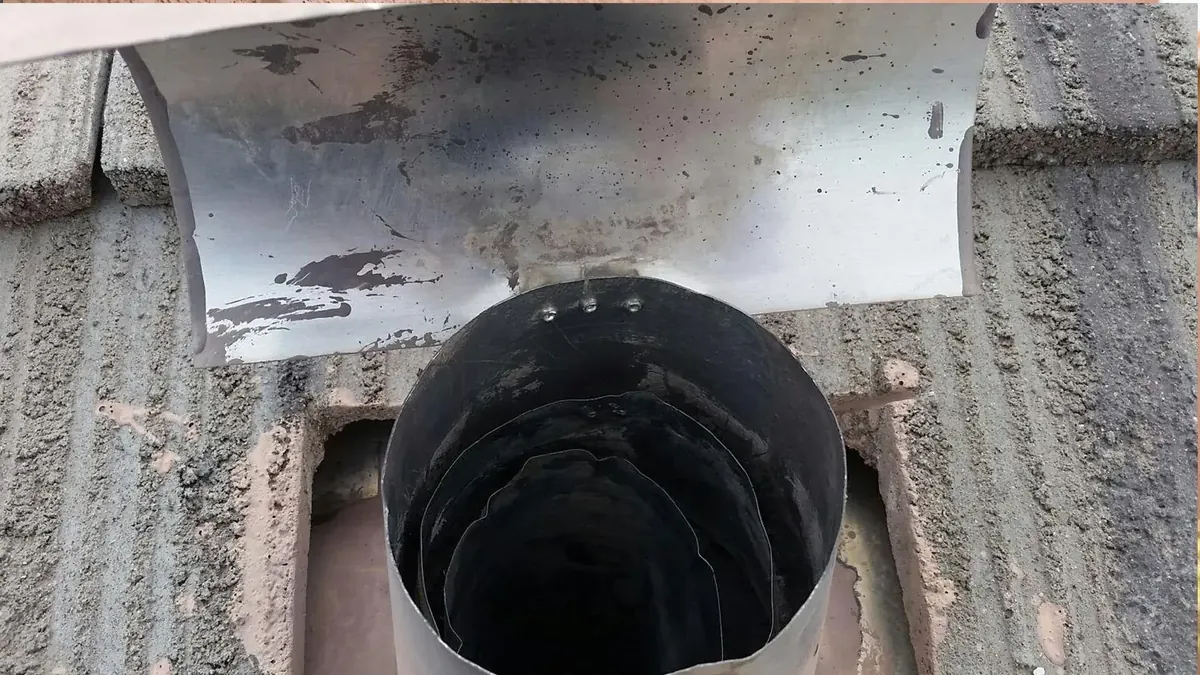
How Often Should a Phoenix Dryer Vent Be Cleaned?
Once a year, minimum. The Chimney Safety Institute of America recommends an annual inspection to keep a clothes dryer system operating efficiently, and the Consumer Product Safety Commission's guidance is to check the dryer vent and exhaust vent periodically to confirm exhaust air is escaping. For most Valley households, annual service is the right rhythm.
Some homes need it sooner. Plan on more frequent cleaning if any of these describe you:
A useful anchor: if you're already booking air duct cleaning or a chimney cleaning, add the dryer vent to the same visit. It's the shortest item on the list and the one with the clearest safety return. And if you want the full picture on what our dust season does to the rest of your home's air system, our post on Arizona monsoons and cleaning your HVAC ducts covers it.
What You Can Do Yourself — And What You Can't
We're not going to pretend every part of this needs a technician. Some of it doesn't.
Do this yourself, every week
Clean the lint screen after every single load — not most loads, every load. Rinse it with water every month or so to clear dryer sheet residue. Vacuum the lint that collects on the floor and around the base of the dryer. Pull the appliance out twice a year and vacuum what you can reach of the duct opening. Keep boxes, cleaning supplies, and laundry off and away from the dryer. Don't run it while you're asleep or out of the house.
Leave this to a technician
The duct itself. A typical Valley vent run has multiple turns, disappears into a wall or attic, and often ends on the roof. A shop vac reaches maybe four feet of it. Hardware-store brush kits reach further, but they also snag, separate inside the duct, and — the failure we're called out for most — puncture the flex hose, which creates a lint leak inside a wall cavity where you'll never see it.
How Arizona Chimney & Air Ducts Cleans a Vent
We've been doing this in the Valley since 1985 — family-owned the whole time — so the process is built around two things Phoenix homeowners actually care about: getting the entire run clean, and not leaving a mess in the house.
Most appointments run one to two hours depending on the length and complexity of the vent. We schedule seven days a week, we call ahead, and we show up in the window we gave you. If the technician gets up there and finds your vent genuinely doesn't need cleaning, we'll tell you that — it happens, and we'd rather you trust the next call.
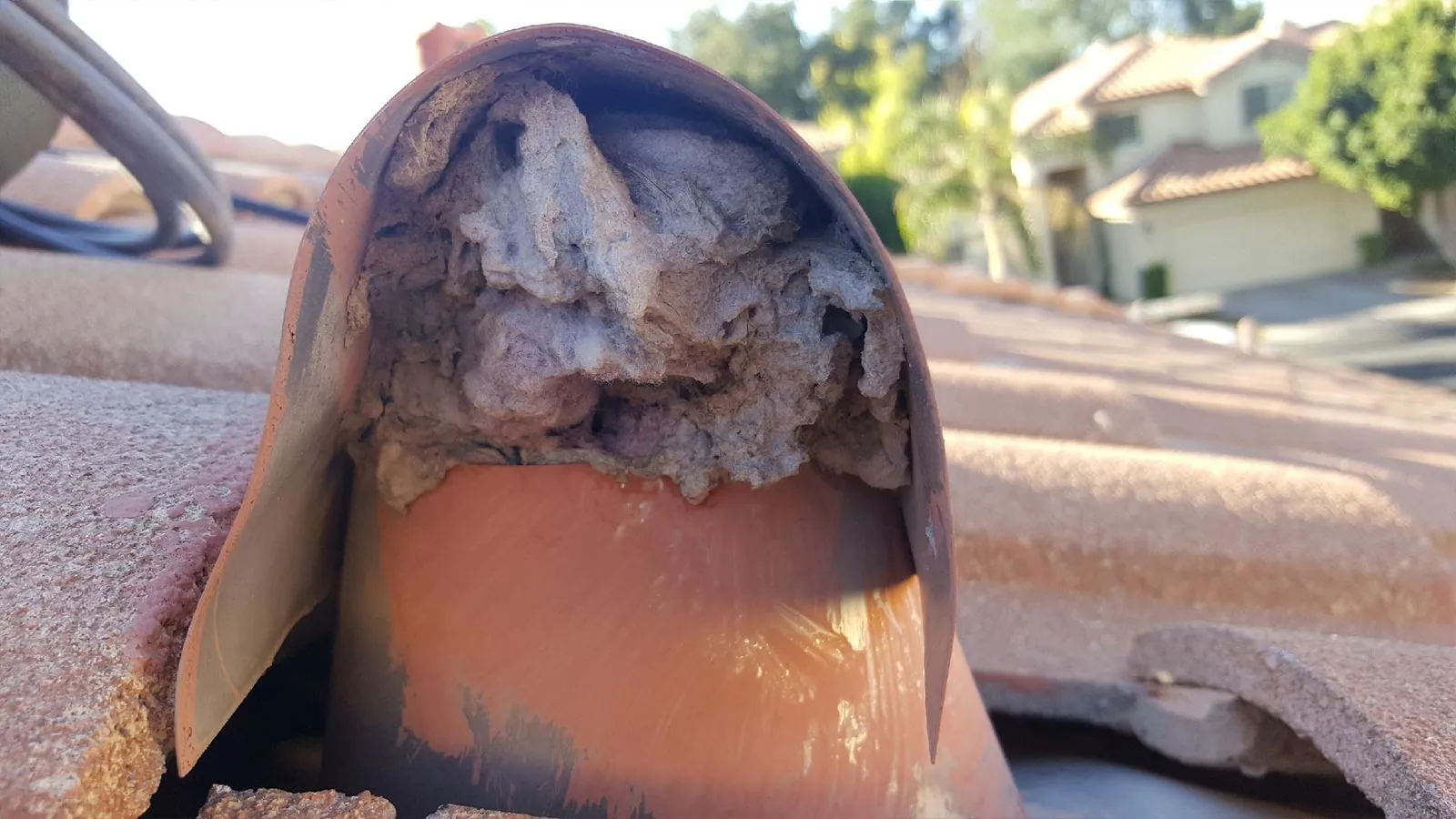
We provide valley-wide service across the Greater Phoenix area. If you're in the far outer communities, service may be seasonal and a trip charge could apply — give us a call to confirm. You can also request service online or check the $25 off dryer vent cleaning offer before you book.
Frequently asked questions
What are the warning signs that a dryer vent needs cleaning?
The most common signs are clothes taking more than one cycle to dry, a laundry room that feels hot or humid while the dryer runs, a burning or musty smell, the dryer shutting off before the load is finished, an exterior vent flap that won't open fully, lint collecting around the vent hood or behind the dryer, and clothes that come out hot to the touch. Any one of these means airflow is restricted. Several together mean the vent should be cleaned right away.
How often should a dryer vent be cleaned in Phoenix?
At least once a year for a typical household. Phoenix homes often need it sooner because of blowing dust from monsoon haboobs, long vent runs from garage and interior laundry rooms, roof-terminated vents that collect debris, and bird nesting in exterior vent hoods. Large families, pet owners, and homes with a vent run longer than 25 feet should plan on more frequent dryer vent cleaning . The Chimney Safety Institute of America recommends an annual inspection of the clothes dryer system.
How dangerous is a clogged dryer vent really?
The National Fire Protection Association attributes roughly one-third of home clothes dryer fires to failure to clean, and dust, fiber, or lint is the item first ignited in about 27% of them. U.S. fire departments respond to an average of about 13,820 home fires involving clothes dryers per year, causing roughly $233 million in annual property damage. Failure to clean is the single leading contributing factor — which also makes it the most preventable one.
Why does the laundry room get hot when the dryer vent is clogged?
A dryer works by pushing hot, moist air out of the house through the vent. When lint restricts that path, the air has nowhere to go, so heat and humidity spill back into the room. Inside the dryer, the heater box keeps climbing until the high-limit thermostat trips. A hot, damp laundry room is one of the earliest and most reliable signs of a blocked vent.
Can I clean my dryer vent myself?
You can and should clean the lint screen after every load and vacuum the few inches of duct you can reach behind the dryer. Full vent cleaning is a different job. Most Phoenix vent runs include several 90-degree turns, travel through attic space or up to a roof termination, and can't be reached with a household vacuum or a hardware-store brush kit. Aggressive DIY tools can also puncture the duct, which creates a lint leak inside the wall. A professional cleaning uses rotary rods with a spinning brush and a blower to clear the entire run, and includes a visual inspection.
Does a dryer vent cleaning include the roof vent?
Yes. Many Phoenix homes vent through the roof rather than a side wall, and the termination is where lint and dust collect the most. Arizona Chimney & Air Ducts cleans the full run, including roof terminations, and confirms the exhaust is escaping properly before finishing.
Is the white flexible hose behind my dryer a problem?
Yes. White vinyl transition hose is highly flammable and produces dangerous fumes when it burns, and thin foil hose crushes and traps lint in every fold. Dryer manufacturers direct owners not to use plastic or non-listed flexible ducts. Our trucks carry commercial-grade UL-listed flex hose and we can replace an unsafe transition hose during the same visit in most cases.
Will cleaning my dryer vent lower my power bill?
Usually, yes. A restricted vent forces the dryer to run longer to do the same job, which uses more electricity or gas on every load. In a Phoenix summer, it also dumps that extra heat and moisture into the house, so the air conditioner works harder too. Cleaning the vent restores normal dry times and cuts the wear that shortens a dryer's lifespan.
How long does a dryer vent cleaning take?
Most appointments take one to two hours depending on the length and complexity of the vent run. We use no-mess equipment and clean from the outside wherever possible, so the work stays out of your home.
Does Arizona Chimney & Air Ducts have a discount on dryer vent cleaning?
Yes — we run a limited-time $25 off dryer vent cleaning offer. Check the coupons page for current promotions before you book, or call (602) 439-3218.